Jerry Pate - Part 2 (The Tour Wins)

 Apple Podcasts
 Spotify
 iHeartRadio
 PocketCasts
 Overcast
 Amazon Music
 RSS Feed
 U.S. Amateur winner and holder of eight PGA Tour titles, Jerry Pate recounts each of those wins including his first non-major win at the 1976 Canadian Open by four shots over Jack Nicklaus and the final one at the 1982 Tournament Players Championship, the first one played at its current home, the Pete Dye-designed TPC Stadium Course where he won with an orange ball and tossed both Dye and Commissioner Deane Beman into the pond at eighteen. Weeks later, Jerry gave Craig Stadler a run at the Masters before injuring his shoulder in May, effectively ending the career of a promising player with HOF potential. Jerry Pate looks back over his regular Tour victories and tells many great stories along the way, "FORE the Good of the Game."
Give Bruce & Mike some feedback via Text.
Follow our show and/or leave a review/rating on:
Our Website https://www.forethegoodofthegame.com/reviews/new/
Apple Podcasts https://podcasts.apple.com/us/podcast/fore-the-good-of-the-game/id1562581853
Spotify Podcasts https://open.spotify.com/show/0XSuVGjwQg6bm78COkIhZO?si=b4c9d47ea8b24b2d
About
"FORE the Good of the Game” is a golf podcast featuring interviews with World Golf Hall of Fame members, winners of major championships and other people of influence in and around the game of golf. Highlighting the positive aspects of the game, we aim to create and provide an engaging and timeless repository of content that listeners can enjoy now and forever. Co-hosted by PGA Tour star Bruce Devlin, our podcast focuses on telling their life stories, in their voices. Join Bruce and Mike Gonzalez “FORE the Good of the Game.”
Thanks so much for listening!
Well, for our listeners, let's recap the professional career, if we can, of of Jerry Pate. As Bruce mentioned, turned professional in in 1975 at the young age of 22. Jerry had 15 professional wins, including eight PGA Tour victories. Two wins on the senior tour, he had several international wins as well. On the PGA tour itself, 1976 Rookie of the Year, obviously the major that uh that we've alluded to, which was the 1976 U.S. Open at Atlanta Athletic Club, which we'll talk about in a minute. But there were several other wins, and we thought we'd just take you down memory lane and uh ask for your recollections of uh of some of those. I think the the first win, obviously not your first win because that was the U.S. Open, which we'll talk about later, but uh the regular tour stop. Um you won the Canadian Open back when I think most of us looked at that as I I know you guys did as the fifth major, and that was at Essex Golf and Country Club by four over uh a guy most of our listeners would probably know.
Jerry PateWell, uh that again was a great story. Um I win the open, the U.S. Open, uh, go to the Western Open in Chicago, and I'm on cloud nine, missed the cut. Go from there to the British Open. Uh they had a three-round cut, Bruce, as you remember. I think I shot 73-72, and I got caught up in a bad storm and shot like 48 on the back nine, shot 87. So I go in and I miss the cut. I called uh to see what time I played on Sunday. They said, no, we have a three three-day cut. You missed the cut. So I'm devastated. I go back to Westchester and play there. I missed the cut there, so I missed the cut uh three times after winning the open, the U.S. Open, and I'm thinking, oh my God, do you think I'll ever win a tournament? So we go to uh Canada to to uh we fly into Detroit, and right across the river uh is the Essex course in Windsor, Ontario, which is a Donald Ross course. I just love the golf course. I knew I was gonna play well. And uh Bob Wynne was leading on Sunday, and I was paired in the next to last group uh because I was in second. Jack was maybe tied with me, but they paired Jack. They used to pair you one, three, five, two, four, six. So if you were leading, you wouldn't be playing with a guy who was in second. They would put him in the next to last group. I don't know why they did that then. That's just the way they paired it. And uh it was even odd, even odd. But I ended up shooting 63, played with Ben Crenshaw, my good friend in JC Sneed. And I mean, I've hit the ball flawless, and Ben loves to tell the story. You know, he said every time he had a five-iron shot, it was a gimme. And of course, I I've had some pretty good five irons in my life. But uh I ended up shooting 63, and I beat Jack by four, and Jack comes in, and I think Jack, Jack was two back of me, and he shot 65. And he said, I can't believe he said, Every time I made a birdie, I looked up on the boards, you had made two. But uh, it was a big deal to win, and and the people were so kind in Canada. Uh the the Imperial Tobacco Company were the big sponsors, and I can remember they just couldn't have treated me better. And so that really proved to me that it wasn't a fluke win in the open that I could win more than one event.
Mike GonzalezYeah, Bruce, you played that weekend. I don't know if you won much money or not, but uh you played in that event a few times, and I don't remember.
Bruce DevlinBut I do remember Mr.
Mike GonzalezPate winning that week, and that was a course record 63, by the way.
Jerry PateWell, I haven't been back uh to play, I've been back to the course. I think the the PJ Tour, senior tour, had a had an event there, but it's a wonderful old Donald Ross course. It's a great trivia question. When you think about the Canadian Open living in America, you think about somewhere up north is Canada. But actually, Windsor, Ontario, the Essex golf course is south of Detroit. So that's a great trivia question. You cross the bridge south going into Canada because there's a finger that rolls around below Detroit and Dearborn, and uh sort of a suburb of Detroit is Windsor, and uh just great golf, and uh you just can't imagine how nice the course was. So, and and wonderful people.
Bruce DevlinCan I tell you one quick little story that you'll get a kick out of? Uh I had three children, right? And I used to take one of them with me during the summer. And my daughter happened to be kind of driving you know with me that that particular summer when when we played at Essex, and she fell in love with a player. And that player is the guy that we have on the podcast today. She was in raptures about Mr. Jerry Pate.
Jerry PateOf course, you weren't much older than, uh it was a good thing I was married, and I was married to a good one and still am for 46 years. Yeah, I know you are Susie Nelson Pate. And uh, but uh you know that was the you know, I go back and thank Bruce, having no children and being out there, and there's another great story with you and Gloria, and we'll get to that in in 1978, leaving Pebble Beach and flying to to to uh remember we went to Glenn Eagle, Scotland. And uh your wife and team my wife loved your wife, Gloria, and gosh, and I think vice versa, and people like Shirley Casper and and uh uh uh uh Gene Littler's wife, Shirley, and uh uh uh uh Lou Graham's wife. Uh I mean I could go on all the older wives, we were so close. Barbara Nicholas was the best, and Patsy Graham. Uh you know, you get older, you can't remember everybody's names right off. But you think about all these wives that were older and they were in their 30s, late 30s, and I was 22, and they just treated us like we were, you know, their kids almost. And I that's a big deal when you go out on that tour. Today it's different because these kids are so accomplished when they hit the tour, they have a whole team of people. They have their instructor, maybe a family member. Uh, if they're not married, they'll have a parent with them, or an agent, they'll have a workout specialist, a nutritionist, and a psychologist. So it was so unbelievable when Susie and I came on tour, and I think back to the times of the Canadian Open or whether we played Bruce uh in international events, people like you and Gloria and the Caspers with Shirley Casper, the wives, you know, I knew the golfers were either going to like me or not like me, depending on how I treated them. I probably wasn't as kind to my peers as I were to my elders. And I really had people that treated me like, I mean, you treated me great. Uh Trevino, Player, Nicholas, Palmer, uh, Ray Floyd. But the younger guys that I went to college with, I was pretty, probably pretty cruel because I was competitive against more so against them because I wanted to prove that was my age group and I could beat them. And it really, today it doesn't really matter. Nobody cares how much money you make or how many trophies. They just want to know what you do for other people. But I was very competitive, but the wives were so kind to my wife, Susie. And we've been married now 46 years, and thank God uh I had my wife with me all the the whole way, the whole journey, because she's been my my my rock and my uh supporter.
Mike GonzalezYou know, Bruce, uh this this thing that uh Jerry mentions about how you and Charlie Cootie treated him at that uh US Open. Um this has come up quite a bit with our other guests, hasn't it, in terms of uh how welcoming certain tour members were. I know it's uh you know, you were uh uh almost a gener full generation before, and you had your own experience as a foreigner coming over here, but uh not everybody uh treated people like you and Cootie treated Jerry.
Bruce DevlinWell, maybe you know, uh w we were uh you used the term that doesn't get used very often. We we were foreigners, and uh a lot of a lot of the players uh you know they weren't pleased that we were coming over, and and particularly if you were uh you know have a reasonable career and win some money, they they weren't weren't all that nice. But uh it's very interesting. Uh you've heard that before, but the one thing that's that runs through all of that is the fact that all of the really great players that I ever met when I was a young man coming over here, not one of them cared about whether I was a foreign player or not. Put the peg in the ground, put a ball on top of it, and let's go. You know, if you're good enough to win, you're good enough to win. Doesn't matter where you're from. And I think uh I think that's uh that's the one thing I got away from, you know, out of the fact that some of the guys didn't like the fact that we were there, but you know, the guys that really uh guys that really counted didn't care.
Mike GonzalezJerry, let's go on to uh the following year, uh 1977. You won the Phoenix Open run by the Thunderbirds, of course. That's a very famous tournament now. It probably gets the biggest crowds in golf. This was at Phoenix Country Club in a playoff with Dave Stockton.
Jerry PateWell, that that was uh that was an interesting week. You know, uh I once heard when Tiger won uh at the Colonial, he said he played, he didn't have his A game and he won. I don't think they even hit a shot that week. It was kind of crazy, but Phoenix Country Club was similar to Pensacola Country Club on about 100 acres, very narrow, small push-up greens. You had to be a good ball striker. I just in my mind I remember I hit a couple of three woods off tight lies and topped them or whatever. But we come to the playoff hole. It's a horseshoe par three, I think it's 15, might be 16. And Stockton was not a really good ball striker, but an unbelievable putter. The pin's on the left side, Bruce. Stockton hits first and hits his bailout three-iron. He's on the right side of this horseshoe. So he's got a hundred-foot putt up and over the slope back down to the pin. I hit a four-iron just left of the pin. I'm not gonna go in the water. I was a good ball striker, there's no question about that. I was just I just hit a lot of balls, and so I hit it there. I've got a dead lock on winning. I've got maybe 15 feet to two-put. Nobody in the world could could two-putt it. And he hit this putt, and how in the world, it must have had a 40-foot break, and it came up over the green and back onto the collar, back down and lipped out. But the greens were so fast it ended up being about literally 15 feet away. And he actually had to putt first and he missed it, so I laid it down and two-putted and won. But uh, the same thing though, you get revenge. I'm playing with Mr. X, Miller Barber, a couple of years later. We come to 18, and Miller has hit a T shot in the trouble, laid it up short of the green, hit a bad wedge shot, fat, and he's short of the green. I've hit driver three with wedge it in about six feet, pins all the way in the back of that long green at Phoenix. It's probably a 120-yard, 120-foot long green. He has maybe a hundred-foot putt, and all I have to do is two putt to win. We're tied. He holds it for three, and I miss it. And I mean, you could have had that scenario a million times. I would have made it. I was literally not more than six feet. And uh he had a hundred-plus footer and he holds it. He jumps up in the air. You know, Mr. X with his bald head now that I'm bald headed, throws his Amana hat on the ground, stomping around. And and I mean, I was like in shock. I was not prepared to have to make it, and I missed, and and Xy won it. And then I think I finished second to Lanny, but I love that little Phoenix Country Club. You did. It was a great course.
Bruce DevlinYeah, I think uh yeah, you finished second to Lanny in uh in 1982. Yeah, yeah, yeah.
Mike GonzalezAnd it was uh I think it was 78, which you were defending champion when uh when Miller Barber got you.
Jerry PateYeah, I don't even remember, but uh, you know, it was one of those course, Bruce, you know, old Philadelphia playing at White Marsh. Some of those little old courses that just were tight and old school, kind of Donald Ross courses. I just loved them. You know, I just it it fit my eye, and uh uh it so I really enjoyed playing at Phoenix.
Mike GonzalezAnother win that year came at the Southern Open at uh Green Island Country Club in Columbus, Georgia. So that was pretty close to home by seven over four other guys that included Johnny Miller and Phil Hancock.
Jerry PateWell, Johnny had won there a couple of times. It was again a tight golf course, a little tricky course. Uh, my first really out-of-town golf tournament I played as a junior, and I didn't play many of them, but the the family that owned the golf course, the Jordan family, is spelled Jordan. Uh, their family actually started one of the big banks in the south called Sonovas Bank now, and they owned the foundry. So they were 150-year-old residents of Columbus, Georgia. And uh Gunby Jordan was a good friend of my dad, and it was in 1964, they put me on a bus from Aniston, Alabama. My parents went to Montgomery, changed buses by myself, took a bus over to Columbus, Georgia, to the east, uh, got off the bus, somebody met me at the bus station, took me home, and I played the ten and under, nine holes and nine holes, two-day nine hole. I was in the ten and under of uh of the southeastern amateur junior amateur, which is one of the largest juniors in tournaments in the south. And because my dad knew several of the families, he thought it was okay, so they put me on the bus by myself. And I figured later on in life, I said, well, hell, there's six kids. If I got lost or if somebody kidnapped me, that'd make it easier on my parents. But uh, and that's a joke. But uh I ended up winning that that I shot uh 50-40, 50-42, I think I shot. And I remember I birdied the last hole. I was 10 years old, had a bullseye put. I'd never forget some of these thoughts. And so I come back later and I'm playing the uh Southern Amateur, I mean the uh the uh Southern Open, and I'm back with the same family. You know, they've put me up in one of the condos there uh on the golf course, and uh and I won it. And of course, I won it a couple of times in 77 and 78, but I I I remember playing with Johnny Miller, and I I just played flawless and shooting. I I don't know, I think I shot 63. Did I shoot 63 or something? I shot a low score one day, and uh I I have no idea. I don't even remember half the scores. I couldn't tell you, I could not tell you exactly what I shot to win the U.S. Open or the Canadian. I, you know, those are old times ago, and I've my life's been so all over the place and so many different things because of the fact I got injured in my career that part of my golf life is like another life. It's like another person, really. It's not even part of me today, but but I love playing Green Island and Columbus, and uh it was a fun golf course to play as well.
Mike GonzalezYeah, as you as you mentioned, you came back the following year defended. I think you're only the winner to ever defend the title. Uh and again, that was over Phil Hancock. You beat him by one shot.
Jerry PateYes, and uh, I think maybe that same year Phil beat me uh at Pinehurst at the World Golf World uh golf championship there at Pinehurst. I ended up finishing second to Phil either that year or the next year. And Philip, the irony of Phil Hancock, he was from Greenville, Alabama, and went to the University of Florida, and his brother was was one of my roommates. And then my wedding in Bunky, his brother was three years older. And uh Philip didn't want to go to Alabama. He went to play for Buster Bishop at Florida. So even though his brother was one of my closest friends, Philip ended up making the tour and ended up beating me a couple of times in in tournaments that I thought I could win. He was a fine player, Phillip was.
Mike GonzalezSo you had a little bit of a gap?
Bruce DevlinYou had a bit of a you had a bit of a gap after that second uh Southern Open. Um 79 and 80 weren't able to win, and then you came back and won the Danny Thomas uh Memphis classic over uh over a uh couple of guys that you know fairly well, Tom Kite and also Bruce Litzke.
Jerry PateWell during that period, uh Bruce, I had probably 10 seconds, including a second at the open U.S. Open, a second at the PGA, uh uh uh and uh multiple other seconds on tour. And I got a call from Coach Bryant and he said, pro, he called me pro. And I had a phone number, it was kind of interesting. People had hard phones behind their desk, and he had a special black phone that was just didn't have all the the hold buttons, like his the university phone, it was his hot phone, and I would call him on that phone all the time and he'd pick it up, hey pro, where are you? So he where are you? Where are you playing? And so he called me, he said, pro. He says, Why in the hell haven't you won anything? And I said, Well, coach, I'm trying. He says, I don't give a damn about you trying. How come you hadn't won? I said, Well, coach, I've had about 10 seconds, including a couple of majors. He said, I don't matter. I'm I'm looking for winners. And I said, Well, coach, and by now I was really cocky, you know, I had a pretty good career going. I've been in the top 10 on the money list every year and probably ranked, you know, as a whole in the top five to seven players in the world for seven years. And so this is about 1980, 80. And I said, Coach, when you play football on Saturday, you got to go out there for two hours and that's it, and beat one team. I said, When I tee off on Thursday, I got to beat 156 people for four days and keep my control and my composure and my confidence. I said, It's a hell of a lot harder than winning just one game. And it got real quiet, and he goes, Hell, I never thought of it that way. I think you're right. And then he got quiet again. He said, But get your you know what, out there and win one. That's a great story from Coach Bryant. And uh, but he he was just an unbelievable supporter. I mean, you know, when Bruce, you know how it is. Golf's all about confidence. You gotta there's a lot of guys with talent, but once I gained the confidence and I had people like that, and going to school or school like University of Alabama, we're winning national football championships, and I'm meeting all these successful business people that are the biggest CEOs in America, and they're flying me on their private jets, and I'm winning golf. It's just a it's just a snowball effect. And and I didn't think it would ever win. I never counted any money, I never knew how I finished, I didn't care about anything. I just wanted to play. And people asked me today about what did you think playing Jack Nicholas or or you playing, you playing against Ray Floyd? Ray was one of the greatest competitors, or Landy Watkins, or whomever, Ben Crenshaw Kite, my brother-in-law Litzke, they said, look, I said, look, I didn't even care. I went out and laughed and giggled. I talked to everybody. I was walking down the roads like Torino and talking to the gallery. I realized God had given me a talent, He had given me a gift to be able to do this for a living. And today to look back and think, God, I got paid to play golf. You got to be kidding me. Getting paid to play golf. But then to go play the Memphis Open. And by now, I think I'd started the Orange Ball. I just won in Colombia, though. I had played in Colombia and uh I believe it was in 80 or 81 in Brazil. One of them, I can't remember what year it was, the Colombian Open. Could have been 80. It was 81. And I won, I won by like 20, 21 shots or 25 shots, or 26. I can't remember. I just remember I had 25 birdies and three Eagles with an orange ball the first time I played it. And so now I'm playing pretty well and I'm having some success. And I come to Memphis and I'm paired with Kite and uh Peter Jacobson the last day. But before that, I went to a party Friday night and I and I told uh a famous old amateur golfer, Curtis Persons, I was at a cocktail party and dinner at his house. His wife said to me, and she was old Southern Bell from Memphis, Jerry, you need to win the Memphis Open. And I said, Mrs. Persons, I'm gonna win. She says, Well, how are you gonna celebrate? I said, I'm gonna jump in that lake on 18. And I think I'd probably had a few beers, you know. So the next day, Curtis goes to the press room. He's hanging out around the club. I come to the 15th hole on Saturday, I sink a putt for Bertie, Vern, uh not Vern Lindquist, but Frank Gleber, who's dead from Dallas with CBS. Frank Cherkennian is producing it, the same old people, Venturi, Summerall, uh, Ben Wright, and he goes in with that Bernie, Jerry Pate vows to jump in the lake. Well, I don't know if they're saying this on the air, and there's 20 million people listening. And so I come in and I've got a one or two shot lead. I go to the press room and the press is there. Boy, they're all over me. What about tomorrow? You're gonna jump in the lake. I hear you jump in the lake. I go, what? And they said, Yeah, uh the Frank Lever said, You're gonna jump in the lake. You vow to jump in the lake if you win. And I said, Well, hell, if he says I'm gonna do it. If I win, I'll do it. So I come out on Sunday and I had like a one o'clock tea time. I get on the range and it's like 900 degrees in Memphis. The hottest town in the world in June is Memphis, Tennessee, on that Mississippi River. And I go down to the range, and in those days, you could just walk down to the range and back. You were warmed up. You'd be ringing wet sweat. So I only took about 30 minutes to warm up. And when I walk down there, there must have been two or three thousand people lining the ropes, yelling with a beer in their hand. We're gonna go in the lake with you. We want to see you go in. I'm going, oh my God, I've created a problem here. And so I play and I come to uh uh 17. I'm I've hit it up again. There's a tree in the fairway, and I've hit it stymied up against it, and Kite's tied with me, I believe, and I pitch out and I hit it on the green about 30 feet in the hole, and he hits it about eight feet, and I make it and he misses. He is so mad. So we come to the last hole, we come to the last hole there in Memphis, and I've hit it in the fairway, Peter, Kite, Kite hits three woods short of the green, and I lay up, leave myself a 90 yard wedge shot, which is one of my favorite shots, hit it about six feet, he hits it past the hole, kite does, he's one shot back, and he hits it past the hole, maybe 15 feet. And he hits this beautiful putt, and his caddy and Tom just, oh, both are back. And Tom says to his caddy, Mike, he says, Can you believe I missed that ball in going? If I make that putt, I can win. And I looked at him and right there on the green, and Peter was standing there. And I'm going to let Peter finish out before I put. He's got about a one-footer, and just for courtesy, and I looked at Kite and I said, Do you really believe I'm going to miss this six-footer? That's how cocky I was. Of course, I knocked the six-footer in, and Peter looks at me and he goes, Okay, big mouth, you said you were going in. And I said, Are you serious? He said, You better jump in. And the crowd was going crazy. So I handed him my putter and my hat, and I went and I dove in the lake. And you know, that got more publicity than anything I ever did in my life. That was the first time at Memphis.
Mike GonzalezYeah, we'll talk about the second time. You got a little bit more later. Uh, you had a second win in 1981. I like to think of 1981 as it could have been the year of Bruce Litsky, instead of uh but but uh uh despite except for the fact that Buck Rogers was winning everything that year.
Jerry PateWell, Bill Rogers uh should have won the the U.S. Open in at Pebble Beach. I guess that was 82. But uh uh yeah, Bill was uh playing extremely well, and of course Bruce Litzke was my brother-in-law. Uh Bruce beat me a shot in '81, I think it was on the last hole at uh Bermuda Dunes. I hit a three-wood into the par five. Bruce laid up, hit it in the trees, and laid up, and and uh he had about a 10-footer, and I had a putt for Eagle to tie him, and I missed it. I made Bertie, and then he knocked in a pretty good putt for Bertie to beat me at Bob Hope in '81. And ironically, Bruce and Bill were roommates at the University of Houston, best friends. I'm still, and Bruce Litsky ends up marrying my sister-in-law, Susie's sister. And uh, so we were all extremely close with with Rose and Bruce and Beth, Rogers, and Bill. And uh, but but uh uh I guess later on in the year I won Pensacola in '81.
Mike GonzalezI think it was sure did it at Perdido Bay uh Country Club by three over Steve Melnock.
Jerry PateYeah, and that's another great story. You know, it's my hometown. Um I I started bringing Bob Hope and Roy Clark and and uh the Gatlin brothers and Charlie Pride and and and all these big-time celebrities to Pensacola to do a celebrity show, and it was my my goal is to try to bring prominence to the tournament so we could get more money and bigger sponsors. So we had a beautiful celebrity uh show with entertainment on Tuesday night, and then you had to play the Pro Am Wednesday and tea off on Thursday. So I'm up all night the first of the week entertaining all these crazy country and western stars, and and uh you know, I've got to get Bob Hope in a helicopter back and forth, and you know, and actually in 1982, President Ford came and played in it and stayed my home. So now I got the Secret Service in '82, the year after I won the Pennsylvania. But anyway, back to 81. Um I'm playing with Melnick, first hole slight dog leg, Bernito Bay, orange golf ball. I hit the most beautiful drive and carried the corner, hit the top of this palm tree, rattles and goes in the palm tree. So now my ball ball's lodge. And so we got to climb the palm tree on the first hole. I've got a one-shot lead over Melnick, and to get my ball down to identify it, to take a an unplayable eye. So I make bogey. I birdied the second hole. You know, Bruce, isn't it crazy you can remember all these shots? But yeah, so you come to about like 13, and Melnick's still neck and neck, and he makes this putt from like 800 miles, and I got about a 15-footer, and I knock it in on top of him, and I just blew it, blew him away. So I ended up burning about three holes coming in, one by a couple of shots, an 81 over Melnick. I can't remember how many I won by. But uh, that was kind of the turning point in my career when I knew I had a little extra in the bag. If I needed to drive it a little longer, if I needed to hold a putt. And I was really not a I didn't think I was a great putter, but I was good enough that when I needed to make them, then I could make them. And uh, of course, we went on and played Ryder Cup that that fall at Walton Heath, and that was one of the greatest memories of my life was playing with Lee Trevino.
Mike GonzalezYeah, we'll certainly talk about that as well. Uh at that particular tournament, uh Tom Kite won enough money to keep Tom Watson from winning his fifth straight money title, and Bill Rogers uh won enough to to keep him from winning his fifth straight player of the year. So uh Bruce, you had a close call there a few years before that with uh Mr. Gabe Brewer.
Bruce DevlinYes, he was uh he he nipped me there uh in 66, but uh you know like Jerry said, all you can do is you you just do the do the best you can. Sometimes you win, sometimes you don't. But uh Jerry, you went on uh in '82 to the TPC at Sauegrass. And uh you won there by two over Brad Bryant and Scott Simpson. That was uh that had to be a uh a major victory for you too.
Jerry PateWell, I was playing well, and uh I think I had finished maybe second at Dural that year behind Andy Bean. He beat me a shot there, and uh I played well up to the players, and uh uh we come to this. In fact, I played with Wiskoff and Ed Sneed in the practice round, and Tom gave me a little hint about taking the club away and just feeling like that my toe is gonna start open a little bit because I was taking it back a little shut and hitting a few balls to the left. And I really wasn't putting very well. I was putting, I think, with my TP Mills putter, and I did two things. I I felt like I changed, I got the club face open, and I was really releasing the the swing with my right side. I mean, I was driving the ball really for me long, you know, I was hitting it, you know, 275 yards in those days uh in the fairways, just you know, you got a hell of an advantage, and I wasn't missing many fairways. And then I started putting really kind of so-so. But the first two rounds, and it was the most diabolical golf course anyone had ever seen. In fact, Jack's quote was it you you like the golf course if you like to hit a six-iron and land it on a hood of a Volkswagen and make it stop. And I'm hitting the ball high, I'm hitting a slight cut with my irons, and I've got it totally under control. I'm driving it in the fairway with a 10-yard draw. So I mean, I've got it dialed in. My long game, my fairway woods are accurate. Uh, you know, Bruce, you start out on one, a very tough drive. Two's a great par five to birdie if you hit straight shots. But I remember holes like three. I mean, I birdied the third hole a couple of times, which is a really tough par three. And uh, I remember hitting, you know, five, six, and seven irons in there, but it's just a little tiny elevated green, and you, you know, the the golf course isn't even close to the same golf course. It's been redone about five times, and every time they make it easier. But all the great players in the game, and I don't even put myself in that league, had all missed a cut pretty much. And they were raising sand about it in the press and the talk about firing Dean Beaman and killing Pete Dye and all the above. And I was hitting the ball so well, I'm shooting around par, and I knew if I could just hang in there, because the players were dropping like flies. Everybody was complaining. I played with David Graham the first round, and first two rounds, and and uh he was a straight ball striker, but he had a little tough time with it. And so I changed putters on uh maybe it was Friday, and I went back to my old Arnold Palmer, Wilson Arnold Palmer, and uh everything sort of clicked with my putting, even though I didn't shoot a uh uh uh uh super low scores, I was under par. And uh the amazing thing about that tournament was just being able to stay focused and keep driving it in the fairway and hitting greens. And uh everyone always talked about the diabolical 17th hole. Bruce, you probably forgot this. We played a pro am that year because the tour didn't have a lot of money, and Dean Beeman did a masterful job of trying to get big sponsors and elevate the purses, and that was the largest purse that had ever been played for. And first prize was 90,000. We had one other tournament in New York, the manufacturer's handover was 60,000. So I'm playing for 50% more purse. And I promise you, when the average purses were 45 to 50,000, and now you're playing for 90, that was unheard of. And uh a couple of crazy things. So Tuesday night we had the players' dinner at the clubhouse, and they had this beautiful fluted uh Waterford trophy, and it had etched in it a picture of the palm trees behind the 18th green, the 18th green with a big, like a big uh a blue herring edged etched into it, and it has a guy putting. The guy putting in that picture is me, and I saw it at the dinner, and I I walked and sat down. I said, Susie, you can't believe this. He said, What? She said, What do you want? I said, Look at this trophy. They used my silhouette on my putt put my bubble gum putting card to put my picture on the trophy. I said, I'm gonna win this damn thing. This was on Tuesday night, and uh I said, This is just karma. Here it is. My grandfather was a founding member of Pana Vidra. My dad's best men in his wedding was was Brownie Watley Jr., whose father built Pana Vidra, Jimmy Stockton, who built Old Sawgrass, and his father was a founder of Ponte Vidra, was also in my father's wedding. Here I am with my grandfather out there watching me coming to play it. He was like 85 years old. And I'm gonna win the first tournament at the new stadium course. And so we come to 16, the diabolical hole and the pro am. I'll go back to that. And everybody hated that hole. And in March, the wind was blowing. And I made two on Wednesday, two on Thursday, two on Friday, three on Saturday, and two on Sunday on 16. You can go look it up, it's on the scorecard. And people talked about the sixth um on 17. They talked about the 17th was the hardest hole in golf. Hell, it was an eight-iron shot to an island green. I said, if you can't hit the green from 140 yards, you need to quit. And so I I like like the Atlanta athletics story with a one-iron. I mean, I was never afraid of shooting at the hole, so I just hit it right at it and birdied it almost every day. I think Friday was the only day, or Saturday was the only day I didn't birdie it. So people asked me about, well, you know, you birdied the last two holes to win the players. No, I birdied the 17th hole three out of four days. And uh, so coming down the wire on Sunday, I've slopped it around the front nine. I actually played pretty well. I didn't make any putts. I think I birdied number eight with a three-wood, or I remember hitting a three-wood in there. It's 230 into the wind, straight back into the east. One hell of a tough hole. You could either hit one iron or three wood. And then we come to the back nine, and I birdie uh par 1011, 12, and I birdie 13, the short, short hole. I know I bur a par 1011, and 12 is a short hole. They've changed it and they've added a lake on the left side. It's a drivable par four. Those days it was a driver and a sand wedge. So I birdie it, and I'm walking way back towards the Marriott Hotel to the 13th to 3 par, and Alice Dye comes running up to me. And by now I've become really close with Pete and Alice Dye from the World Amateur win in 74. And Pete, she grabs me and she stops me. She said, You got to win this damn thing, and you got to throw Pete in the lake because I mean, he's catching a lot of grief about this golf course. I said, Don't worry, Alice, I'm gonna win. So I parred 13, I birdie 14, and I make a good par on 15, and I come to 16, and I don't make birdie. And Litsky's, I think, leading, and Brad Bryant's there, and so I par 16. I go, oh my god, I blew a shot. Par five, I should have birdied it. I'm standing on 17, waiting to hit, and I hit it in there about 15 feet, so I get on the green, I look over on 16. Litsky's behind me, and they're about a hole behind. And he has hit his second shot in the water. I saw Gordy Glenn's the official with his little radio pointing right here where he's got to drop, and I'm going, oh my God, he's gonna make bogey. And I don't know if he made par bogey, but I knocked the putt in on 17 for Birdie, and then I hit it two feet with a five-iron on 18 for Bertie. Pen was in the back left. And I guess the the greatest thing about the five-iron was when I went, and then I threw Pete Dye in the lake, and I threw Dean Beaman in the lake. And of course, that was history made to throw the commissioner in the lake. And and both of them were really, really on the hot seat because the golf course was ridiculously tough. I mean, it was the toughest course in the world. And so I get in the press room, Bruce, and they said, Do you have any opening statements? And I go, Yes. And they said, What is it? I said, I guess I pulled another five-iron because the pin was in the back left and I hit it about two feet and I made 30. And they said, What do you mean? I said, Well, people have been saying for six, five, six years that that I was lucky when I hit the five iron at the open. I said, When you're 22 years old and you're a good ball striker, you don't see the water, you don't see anything but that flagstick. And I said, God just happened to be in in my corner at Atlanta when I hit that five iron, and he happened to be here with me when I hit the five iron at 18 at the player. So uh uh anyway, that was kind of sweet, a bittersweet uh revenge on the media and people saying that I didn't have the talent to win to the level. But by now, I'd I guess I'd won eight times and and uh did it with an orange ball, which is kind of crazy. And uh the rest was was the end of my career after that. I tore my shoulder about a month later. I was home in May, two months later. Well, I go to the Masters after that week in April, and I damn near win the Masters. I shoot 38 the first nine, and I shoot 32 the back nine, and Stadler's leaking oil. He's got about an eight-shot lead on the back nine, and he's bogeying. I'm making birdie. And we're playing in the last group. And I birdie 16, and he makes bogey. Should he really came close to making a double bogey? He hits it in the bunker on behind the green on the right, pins up in the top right, Bruce, the toughest hole location. They don't put it there anymore on Sunday because it's really too tough. They put it left where the ball will feed down and you know, have these uh exciting shots on 16 at Augusta. But anyway, he hits it in the bunker, blast it down to the hill. I've hit it about four feet with a four-iron and playing 190. And I know I'm gonna make two. And he puts it up the hill, and the ball's hanging on the hill. No way it stays there. He runs up there and marks it real quickly, and then he knocks it in the hole for a four, and then I make two, so I pick up two shots, so I've got a shot to tie him on 18. He's got a two-shot lead, and he three putts 18. Hit a bad T shot, bad second shot, hit it kind of fat in the front of the green, the pins all the way back, which is unusual on Sunday that August. It's always back right, and now it's always back in the front again, front left, kind of their their their historical hole location. And then I'm I I don't make uh you know, 25-footer, I've got a chance to hold it. But Stadler won there and played well. So I was really playing well. And I go back home to all places, Perdito Bay, and I've been working on the golf course. I took a week off, I ran equipment, I was working on the golf course, rebuilding the driving range and redriving, rebuilding a bunch of teas because President Ford is committed to come stay as my guest in October of 82. And I wanted, and so I donated about 25,000 of my money, and the Pensacola Sports Association gave some money, and and the club gave some money. So I'm rebuilding the driving range tea, which was atrocious, and adding teas and adding irrigation. Bruce, they had those old quick coupler screw in the ground irrigation heads, and I swear to you, God is my witness. Every year for about the last three years we played at Perdito, I would go out there the week prior to the tournament till three in the morning with a guy named Snuffy, and he and I would have to spread the heads out. They only had a single row system and run the irrigation heads to put enough water on the golf course to make it presentable for the Pensacola Open. And I did it the year I won in '81. And I did it in '82. But anyway, I go out on the back of the range in '82 and I'm warming up after working on equipment all day, trying to hit some one irons, getting ready for the British Open is going to be at Troon. And I hit one shot fat, kind of pulling with my left side, de-lofting, and I tore my shoulder. That was the end of my career, and that was in May of 1982. I was 28.
Bruce DevlinYeah, that was hard to come back from those shoulder injuries.
Jerry PateWell, they didn't have arthroscopy of the joint. In fact, Jim Andrews was just starting that, and he was going to uh University of Virginia and University of Michigan with Lanny Johnson and Frank McHugh trying to learn how to do arthroscopy of the joint. He was at Columbus, Georgia at the Houston Clinic, ironically, where I won the Southern Open. In fact, ironically, I played with Jim Andrews in the 1978 Pro Am, the year I won, and we won the Pro-Am. And ironically, Jim Andrews lives in Pensacola today because I was involved in getting a$55 million hospital built with his name on it, called the Andrews Institute. And he's done some crazy number, like 60,000 surgeries of the most famous people, orthopedic surgery. But he was just learning how to do arthroscopy when he operated on me in 85 and 86, and they took the cartilage out, and that made my shoulder looser, which then I tore the rotator cuff, and that's a whole nother chapter of my life. And they didn't have really the great rehab they have today. And today you tear your cartilage, they anchor it down in the scar tissue, and you do rehab and you come back. And so, Bruce, I went back and had surgery five times and started with Jim the last time was on my shoulder in 2002 when I decided to come back and try to play the senior tour. And I hadn't played in almost 20 years competitively of any any magnitude. I played a little bit, but I wasn't a threat. I couldn't play more than a week in a week at a time because I had so much inflammation in my joint because I had this bone-on-bone. And uh so Jim does another surgery, and ironically, I tear my right shoulder in 19 and 2006, and then four months later, they fixed my shoulder and I came back and won. So that'll tell you the difference in technology in 22 years of how they could fix your shoulder in a matter of months, where in 1982 they would just cut you open. And really, the end of my career was when I had a total open shoulder cut uh surgery in 1987 at Sentinel Hospital in LA. Frank Job, who's no longer with us, and he tried to do what was called a capsular reconstruction and took my whole shoulder, opened it up, and created a new, tried to create a tightening of my shoulder joint, which disallowed external rotation in my shoulder. And I mean, I was done. I couldn't play, I couldn't hit the ball too 30. I mean, I was in tears every time I played. When I'd come home at night, I told Susie I hated it, I didn't want to play. And here I'd had this career as as stellar as anybody at age 28. I was finished. And so uh today, after 36 years of college tournaments I've hosted in Birmingham now, Tiger Woods has won it, you know, David Toms, you name it. All these guys on the senior tour played in it. Roy Sabatini, Justin Thomas, uh Charles Howell, you name it. Graham McDowell has won it. I tell every one of them, I write them a letter and I tell them, get your college degree and have a backup plan because you never know, one swing, your career can be over. And there's other things you can do outside of golf that you can have an exciting and rewarding career with your family in the game of golf, but you don't have to be out there on that tour, so you never know when it's going to end. And mine ended in May of 1982. I remember your career at NBC. You were a class act. And thank you. You know, I worked at NBC, I think, with you when Golby was there and Larry Cerrillo at the at La Costa when they played the uh seniors event out there, and I did the Legends at at Onion Creek and somewhere else. I worked three times for uh for NBC. Yeah, actually, it was one senior and two regular. And I don't know, Larry said this was like 1984, right after I got hurt, 85. You were working then at NBC.
Bruce DevlinYeah, I uh I I went uh you know, I spent a well, I guess about four or four and a half years with him, and then of course did the uh the golf channel and and uh ESPN. Basically it was ESPN, but that's all changed.
Jerry PateYou know, I think I did the first ESPN telecast of the British Open, which was been about 1984 or 5 or so, uh 86. I can't even remember, but there was a guy, Cliff Drysdale, who was a tennis pro, right, who was on course, and I was with Mike Packer. Um I think it was Mike Packer, not Mike Pack, it was I think it was Mike Packer in the booth. We had one camera, and it was Royal Lithuam in St. Anne. So whatever year it was there. And uh Andy North, I'll never forget, had a guy named George Gillette caddy inform when we talked about him because we were just trying to burn up airtime. And George was a guy that bought Vale and Beaver Beaver Creek, who I ended up becoming a good friend of. But we had one camera and one Cliff Drysdale. I'm thinking, what the hell is a tennis pro calling golf? And he did a great job. You probably knew him well.
Bruce DevlinYeah, I knew him. I knew Cliff. Yeah, he's uh he he he stayed in the tennis world for a long time. He may still be involved in it. I don't know. I haven't watched much tennis lately, but yeah, he had a big career in tennis.
Jerry PateWell, the thing I loved about Australians' voices is you had the English accent without holding your tongue like a person from uh You know, uh found point, found point fucking like this. But you could you could add you had a beautiful voice, but you could understand what you were saying. Then it started.
Mike GonzalezThank you for listening to another episode of For the Good of the Game. And please, wherever you listen to your podcast on Apple and Spotify, if you like what you hear, please subscribe, spread the word, and tell your friends until we tee it up again for the good of the game. So long, everybody.
Lee TrevinoWhack down the fairway. It went smack down the fairway. Then it started to slice just smidge off line. It headed for two, but it bounced off nine. My caddy says long as you're still in the state, you're okay. Yes, it went straight down the middle, quite away.
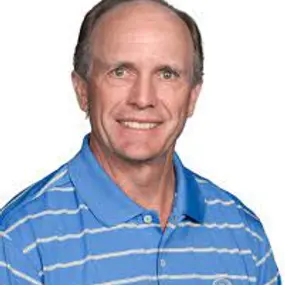
Golf Professional and Golf Course Architect
Are you a big golfer? Do you watch the PGA Tour whenever it’s on? Do you find yourself on https://golfingjourney.com/golfing-guides/improve-my-golf-swing/ – hoping to improve your game? Are you always on the green of your local course? If you said yes to these then the chances are you know Jerry Pate.
No player has ever made a splash – literally and figuratively – on the PGA TOUR quite like Jerry Pate. After winning the U.S. Amateur Championship and playing on the victorious U.S. Walker Cup team, Jerry took low amateur honors at the 1975 U.S. Open and was medalist at the 1975 PGA TOUR Q-School.
Jerry dazzled the golf world during his rookie season on the PGA TOUR. He won the U.S. Open title with one of the greatest shots in championship history – a 190-yard five-iron over water to within two feet of the hole. He added a second national crown when he won the Canadian Open later that year and garnered Rookie of the Year and Co-Player of the Year honors.
Between 1976 and 1982, Pate won eight times on the PGA TOUR and was one of the TOUR’s top players. Fans loved the color he brought to the game, including his orange golf ball, which he began using in 1980. In 1982, Jerry made golf history – and golf legend – when he won the THE PLAYERS Championship, the first held at Pete Dye’s diabolical new Stadium Course at the TPC Sawgrass. During the awards ceremony, Jerry delighted his fellow professionals and thousands of gallery members when he threw course architect Pete Dye and PGA TOUR Commissioner Deane Beman into the lake adjacent to the 18th green. Sho… Read More