Curtis Strange - Part 1 (The Early Years)

 Apple Podcasts
 Spotify
 iHeartRadio
 PocketCasts
 Overcast
 Amazon Music
 RSS Feed
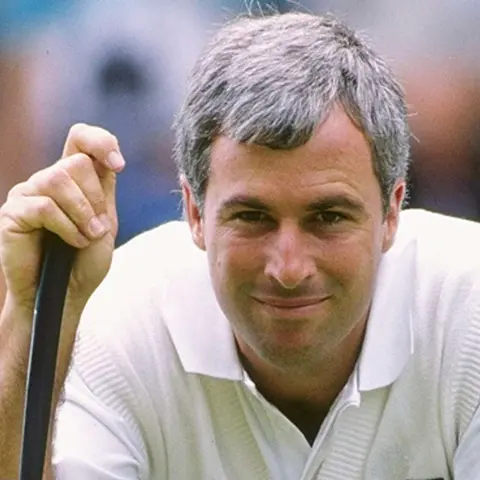
 Member of the World Golf Hall of Fame and back-to-back winner of the U.S. Open Championship, Curtis Strange joins us to tell the story of his start in golf as his game developed under the watchful eye of his golf professional father until his passing when Curtis was just 14. He fondly recounts his college golf days at Wake Forest playing on one of the greatest teams of all time. Curtis shares the feeling of being paired with Jack Nicklaus at his first Masters, what he really meant in his highly critiqued and infamous 1996 Tiger Woods interview and how truly special the exploits of our superstars really are. Curtis Strange shares his early story, "FORE the Good of the Game."
Give Bruce & Mike some feedback via Text.
Follow our show and/or leave a review/rating on:
Our Website https://www.forethegoodofthegame.com/reviews/new/
Apple Podcasts https://podcasts.apple.com/us/podcast/fore-the-good-of-the-game/id1562581853
Spotify Podcasts https://open.spotify.com/show/0XSuVGjwQg6bm78COkIhZO?si=b4c9d47ea8b24b2d
About
"FORE the Good of the Game” is a golf podcast featuring interviews with World Golf Hall of Fame members, winners of major championships and other people of influence in and around the game of golf. Highlighting the positive aspects of the game, we aim to create and provide an engaging and timeless repository of content that listeners can enjoy now and forever. Co-hosted by PGA Tour star Bruce Devlin, our podcast focuses on telling their life stories, in their voices. Join Bruce and Mike Gonzalez “FORE the Good of the Game.”
Thanks so much for listening!
Thank you for joining us for this sit-down with Curtis Strange. You'll notice not too long into the interview, we have some technical difficulties, and for the first time in our podcasting career, we lose Bruce Devlin due to a lost internet connection. So it'll be me solo with Curtis for the most part, and we hope you enjoy. Welcome to another edition of FORE the Good of the Game. And u Bruce Devlin, u our guest doesn't realize this, but I did witness one of his major championship wins back in 1988.
Bruce DevlinWell, this man has had a fabulous career on the tour. Only one of three players ever to win back-to-back U.S. Open since the Second World War, and only one of seven players that have ever won the Open back-to-back. And we're so proud to have him with us this morning. Welcome, Curtis Strange. We're we're happy to chat with you, buddy.
Speaker 2Hey, I, Bruce, you've been a friend for a long, long time. I'll do anything you ask, and glad to be here. Thanks for having me.
Bruce DevlinYou bet.
Mike GonzalezYeah, as I as I mentioned, I I I misstated it wasn't 1988, it was 1999. I happened to be a guest, I think, of IBM back in 89, and we'll talk about this open win, but uh I I think I played golf in the morning with George Pepper. Curtis, you probably remember George.
Speaker 2Yes, yes, very well. Good man.
Mike GonzalezAnd uh, you know, I just he was one of the hosts, I guess. We played golf somewhere in the area in the morning on the Friday, and then came over and uh watched the golf tournament. But anyway, we'll look forward to talking about that and your your win at uh at the country club as well. But maybe just get started.
Bruce DevlinOne comment though before you go. One comment before you go. There was a gentleman by the name of Bruce Stevlin who was walking down the 18th Fairway with him when he won that championship, that open championship. He may remember even talking to me before as we were walking down there. But that was uh I was doing the television back in those days, and boy, that was a tense situation. And in his typical manner, Curtis just handled it like it was nothing.
Speaker 2You know, it's uh we're we're on this subject all of a sudden, but uh, you know, any of those situations like that, Bruce, as you very well know, it's uh it's not easy. And uh you know, people I ask people when I was a young man on tour, and and then some young ones have asked me over the years, how do you how do you relax? How do you make it easy? How do you do it? Man told me a long time ago, he says once in a while we just gotta stand up and be a man. There's no easy ways to handle the pressure. There's no uh shortcut. There's no shortcuts, and and we say it's fun and we enjoy it. Well, sometimes it's not so fun either. Yeah, it's uh it's an it's a situation where you're thrown on the stage, and uh the only way to really prepare for that is to get on the stage more and more and more. Well, I don't think you ever prepare for a stage quite like a US Open or a Masters or an Open Championship, and sometimes you just got to be a man and step up.
Bruce DevlinEspecially when you're the defending champion. That's uh that's a little extra pressure as well.
Speaker 2Well, it was a little different situation. It was I was coming from behind, so I really hadn't not much to lose at that point. But uh it every situation's different, too. And it depends on how you stand on that scoreboard. It depends on who you're playing against, it depends on the golf course in which you're playing. There's a lot of things that go into this uh coming out on top that uh you really don't have a whole lot of control over a lot of it.
Mike GonzalezWell, we look forward to reviewing uh your major championship wins and several of your other PGA tour wins. Uh we'll start at the beginning as we do with with most of our guests, uh, just telling us a little bit about what life was like growing up in Virginia. You you and I are the same vintage, and so we probably shared a lot of the same experiences in that era in terms of playing sports, living on the golf course all day in the summer when you can, and and uh so forth. You had a great opportunity because uh you you were actually born into a a uh a golf facility, weren't you?
Speaker 2Yeah, my dad was uh a PGA club professional, and uh, I guess the I was so fortunate to have access, number one. Um he was um a good amateur player, became a very good club professional. Uh I went to first grade at the Greenbrier. Um he was uh he was under Sam Sneed for a year and a half at the Greenbrier, so that was kind of cool, although I was so young I didn't remember much about it and wasn't playing golf at the time. But uh then we went back to Virginia Beach, and I think my you know my my youth and in my younger years were certainly uh from nine years old on were spending a lot of time at the golf course, but it was also, and I think it's so very important for the youth of today, is that to spend got time playing other sports as well. I'm sitting here every night watching the Little League World Series and I love it. Um I think kids uh pick a sport too young these days and time. They try to they try to perfect a certain sport instead of playing all the sports because to me it develops your entire body. I think when I was playing basketball all through high school and growing up, it developed my body, which completely helped my golf game. Uh legs, hands, uh, hand eye coordination, all of the above, and learned how to compete. So uh it was uh I played a lot of golf growing up, and I certainly lived a long time and a lot of days of the golf course, but I think I remember a lot of my great, great memories are playing other sports uh uh with all the other buddies in town. Very interesting.
Mike GonzalezYou hear that a lot too with other professional athletes. Uh, you know, I've got a few buddies that are were baseball players, and uh they just lament the fact that these kids are full-time baseball, wearing out their arms, only developing a certain muscle set, not not learning the discipline and what goes into you know learning some of the other sports. You make a great point. It's just uh very one-dimensional. And most of the the athletes that that we all know, uh they grew up playing three, four sports. They play basketball, football, baseball, in addition to developing their golf game.
Speaker 2Yeah, it's so very important, and I really truly, truly mean this. But more than that, it's it's psychologically. I don't know, Bruce, if you lived, you know, on the golf course and played every day of the year, but I was tired of golf come end of August. I wanted to go play another sport. I wanted to get on, you know, get on to basketball and then, well, actually, it was track first and then basketball uh as it got colder. And I lived in Virginia, so it wasn't real warm in the winter, so you had to do something else. And then when I got back to the springtime, I couldn't wait to get to the golf course. So you recharge your batteries, you uh you you you you have another interest. Um, and I think it's healthy. I think it's healthy. I you know, this game is gonna it's gonna drive you crazy soon enough. Let's don't get it, let's don't do it too soon. Let's don't do it when you're still in your team.
Bruce DevlinWell, I didn't I didn't start playing golf until I was uh 15. I I played uh when I was in uh early early days of high school, I was playing a little bit of rugby league. Yeah. I played a lot of a lot of field hockey, good hand-eye coordination in field hockey. But uh I didn't start playing golf until my dad got uh beaten up in it, lost his arm in an automobile accident. And uh he was looking for somebody to play with and designated me to be that one person. So that's how I got into golf.
Speaker 2Well, and it's everybody has their own story, and uh and I love hearing the stories, and and you know, you sound like 15 was too late. 15 is is a great age to get into golf because you're uh uh you know you're still so developed in your your hand-eye coordination in your body, and uh uh it's uh and you hear stories from all over. I was just happened to be a young one.
Mike GonzalezYeah. So we can probably assume that uh most of your early golf was influenced by your father. I assume you you learned the game from him. Were there other influences in your game?
Speaker 2Uh you know, we just um you know, I say all the other sports, my gosh, you know, Mickey Mantle and Maris and uh uh the Boston Celtics, and as you got a little older, the Packers. See, I was on the East Coast, so the Redskins and the Orioles were my big teams, but then you also gravitated toward the good teams as well, because that's who you saw on television uh back in the three-channel days. My gosh, how did how did we survive with no clicker? With no clicker. So uh, but uh it was uh it was fun. And but my dad was the biggest influence, and then and then uh he got me, you know, even though he I had access, it didn't mean that I was gonna uh fall in love with the game like I did. I have a twin brother who was a a hell of an athlete, and he gravitated toward football and baseball and eventually came back to golf. But you know, he chose other sports, and dad was just as proud of him, and then dad passed when we were only 14. So uh, you know, the influences of my life for a lot of the members at the club that we that I grew up at um took me under their wing and and let me play with them and compete with them and gamble with them, which I think is very important. You always have something on the line playing for. Uh took me to little tournaments here and there. Uh Chandler Harper was a big influence who started to teach me after dad passed, who was uh, you know, at the 55 uh PGA champion, so a hell of a player in his own right. And then you go to, you know, you go on, and you know, I I can't speak enough of Wake Forest and college teammates there that helped me along the way. So uh, you know, it's a progression of people. You can't do it by yourself. Um I think you have to have mentors along the way.
Mike GonzalezYou are a natural left-hander, as I understand. So uh what do you do left-handed? What do you do right-handed?
Speaker 2Well, Mike, I kind of fell through the cracks in first grade. I I'm dominant right side, but I kick left-footed and I write left-handed, and I shoot a gun left-handed. Um play pool left-handed, but everything else right-handed. Um, does that help me in golf? Probably not. Uh does it make me stutter? Probably so. Does it make me go in circles sometimes? Probably so. But uh I uh, you know, I don't know. I uh am I ambidextrous? Hell no. Um I just uh I just fell through the cracks and they didn't switch me over to all right-handed growing up, but uh it's fun, it's different. Um people ask a lot of questions.
Mike GonzalezDid you ever play left-handed golf at all?
Speaker 2No, I hit I hit a desperate slice when I try to hit left-handed. Um and and uh but I did when I was was uh when I was uh early on tour, I got a lesson from uh from a left-handed player on what I do wrong to try to cure this slice. And uh it was really interesting. But uh, you know, those who Bruce and I've seen over the years there's been a handful of players that uh could play it damn near as well left-handed as they did right-handed, and it's phenomenal the ability to do that. They make it look easy. It is not. I mean, we are all of a sudden, we are all of a sudden absolutely beginners at the game when we switch on the other side of the ball. And we we might make contact, but it's ugly. And so uh but it's it's something that uh uh in this game over the long haul, you're gonna have to hit one or two shots left-handed, so it's a nice uh asset to have if you have it. Yeah.
Mike GonzalezI saw a modern tour player out hitting both sides, and I can't remember who that was. You guys might know who it was, but he seemed equally adept from both sides of the ball. It was pretty amazing to watch. David Graham started as a left-hander, didn't he, Bruce?
Bruce DevlinYes, he did. He he was a left-hander, and uh his uh first first pro he worked for uh he said to him one day, you know, David, I think you ought to turn around and and uh you know play from play from the opposite side. That's you know, he was in his early days, he was definitely a left-handed player. Well, I didn't know that.
Speaker 2I didn't know that.
unknownYeah.
Speaker 2But what a career David had. Yeah, he had a good career, didn't he? Yeah, he really did. He certainly did. So a lot of you Australians came from down under could really play and continue to do so.
Bruce DevlinYeah, they got we got some pretty good ones that have uh come along behind all us all old guys.
Mike GonzalezYou mentioned Wake Forest University earlier. Let's talk a little bit about that. First of all, take us through the process you went through in deciding where to go to school.
Speaker 2Well, it wasn't a big long process for me. It uh back in the uh early 70s, there were three or four golf schools that if you could really play, you could go to Florida and Wake Forest and Houston and Southern Cal and maybe Texas, Texas at the time. So there was a handful of really good, good golf schools. And Wake Forest was in my region, but I never thought much about it. You know, you're you're playing basketball in the winter, you're playing golf in the summer, and I didn't travel outside the state uh to play because it just was no need to. And it would golf back then was not something you traveled around the country to go play against. It's not like the AJGA or anything it is now, and and I got into that uh the next year when I went to Wake. But so I didn't know if I was any good or not, you know, and so um all of a sudden they offered me a scholarship and and and and again when when dad passed, and we didn't have the money to go pay for something. So if somebody's gonna pay my way to go to college, I'm gonna jump at it. And that's pretty much what happened. I said yes on the spot. Uh, and especially since it was Wake Forest and Arnold Palmer and Lanny was just ahead of me uh going to Wake Forest, who was a Virginia boy, Lanny Watkins. So uh, you know, everything kind of lined up in place for me, and I was really um apprehensive, guys, because again, I'd never played outside of the state of Virginia uh and and won some tournaments there, but didn't know how good I was. And I went to Wake Forest and I and I did well my first year, and so um that kind of got me leapfrogging um uh on my aspirations, but you still don't think about the pro tour, you still don't think about this, that, and the other. You still have to, you know, uh execute every day, you still have to put a score on the board. And that summer, after my first year at Wake Forest, that summer, I really, really played well. And uh so it was fun. Uh, it was nerve-wracking. Um, I started to feel um, quite honestly, the stress of golf, uh, and it affected me a little bit. Um the stress of the next year or two, the stress of knowing what the next step would be, which would be the PGA tour, and therein lies another, you know, large stepping stone from amateur to college golf, and then from amateur college golf to professional golf is huge. And so you're really unsure about yourself during this time, and um, all you can do is keep working. All you can do is keep working. And I the only thing I knew I could do was work. I could get to that practice tee and hit balls and work and try to make myself better, and and that's uh just what I did.
Mike GonzalezOkay, Curtis, we've lost our co-host Bruce Devlin to technical difficulties for the time being. So uh we'll have him join us in a route, but in the meantime, let's just press on. We were talking a little bit about your university experience at Wake Forest. You were the youngest, at least at that point, maybe still now, you were the youngest ever NCAA champion, weren't you?
Speaker 2Well, I most importantly of all that, it was the first team championship for Wake Forest, and that meant so much to the school, it meant so much to us, and it meant so much to Coach. So uh Coach Jesse Haddock. So that was the most important thing. I learned later on that I was young, I knew I was young because I was a freshman. Yeah, and that's part about what we were talking about earlier, is that when I went to school, I played well early on and didn't know what the hell I was doing. You know, I was I was just playing golf, and I was just, you know, I was lucky enough to be playing against three of the best players in the country every day that were on my team, and Bob and Jay and David Thor, and I just Jay Haas, who's still playing for God's sakes, on the Champions Tour. And playing well. So uh, you know, it's just I marvel at these guys that stay in the game for so long. But uh, you know, I I didn't know we didn't know what the hell we were doing. We were so young, and and we beat Florida and we won and we we cried afterwards, and I call her home and my mother cried. I'm thinking, she's never cried before. And I'm thinking, what's the deal? Well, anyway, uh we later became a very, very good team, and uh it's one of the highlights of my life um of golfing life is to be on that team and to win for Wake Forest as a team. See, I love the team atmosphere. I was a I was a team guy. I loved you know the team track and field and I loved the basketball as we spoke earlier, and and uh it was uh you were playing for more than just yourself, you're playing for teammates, and so it was such a thrill for us to to uh be able to drink a beer that night with the trophy in our hands.
Mike GonzalezYou mentioned Laney Watkins earlier. We got the same thing from him, he just thrived in that team environment.
Speaker 2Yeah, it was uh it's you know, you you didn't know you I think you appreciated it later on. You you certainly enjoyed it at the time, and and and but later on when you went to the pro tour and it became such a I, me, and my atmosphere, and what was good for you was good for everybody around you, which is kind of the ass opposite of what it's supposed to be in life. But uh you became a very self-centered person, and you you you relish those years as a team because gosh, you had people rooting for and you were rooting for and helping and teaching and encouraging and all those things. It was it was just a it was just a it's a great, great memory that we have, and ours is even better because we were had a good team and we won.
Mike GonzalezYeah, you had a great team. Uh Golf World labeled that team at one point the greatest of all times. You named some of the teammates that you had, but uh quite a record with back-to-back titles in 74 and 75. I'll tell you a quick little story about Jay Haas because he and I grew up sort of in the same part of uh southern Illinois. So he was at Belleville West and I was over in a little town called Salem. So when we got to regional before you know you went on to to state, uh, which was played up in Champaign, uh we'd normally see each other, and he was uh what is he, a year or two ahead of us?
Speaker 2He's uh no, he's a year ahead of us, yeah.
Mike GonzalezYeah, yeah. So I think he might have been a junior and I was a sophomore. And and I th I I th we either got paired together or I was one group behind him. But I remember in Millstad, Illinois, right outside of Belleville where he grew up, we had our regional tournament, and he shot a smooth little 65 like it was nothing. Made every putt. And you know, I probably fired an 82 or an 83. And back then, you know, I'm thinking, what a little nine-hole course. I'm thinking I'm pretty good. Yeah, and I came off the golf course that day and I said, okay, I ain't gonna be a golfer.
Speaker 2Well, Jay is is, you know, I always like to think that, you know, there's a lot of good golfers out there, and those who have it, it define it, I'm not quite sure, but it's that sixth sense to be able to play your particular sport. Jay had it. Jay has that ability to to you throw him anything round. And he could even juggle, kick, throw, shoot. He had that it and to play sports, and not a big guy, and uh and and not long, although he became longer as as he got older with the new equipment. But uh he just had and he just had it, and he enjoyed to compete in his mild manner way, and he's still playing quality golf at 67 years old on the champions tour. And you know, like I said earlier, I admire guys that stayed in the game because it burnt me up. Um and I went into TV at uh in my early to mid-40s, but uh uh it uh I admire those guys, Langer and and and Jay and and and uh she mean Trevino and Watson, the ones that stayed in the game and had that kept that competitive edge because it's hard. Um it's hard because you're given so much every single day, and you can't just do it part-time and do it well. You have to do it darn near every day. And uh uh that's a that's a gift.
Mike GonzalezYeah, it's one thing to do it mentally, it's also quite another to do it physically and have your body hold up that long.
Speaker 2Well, it and I'm finding out that doesn't that hasn't worked out so well for a lot of people, and that's just the nature of the beast. And it's is it the game and the twisting and the turning? Yes, that's a large part of it, but it's also your DNA and and and being good, healthy parents. But uh the game will beat you up back, knees, neck, shoulders. It's it's you name it and it's gonna affect it.
Mike GonzalezYeah, I know I'm not getting any longer.
Speaker 2Isn't that the truth?
Mike GonzalezYou had a great college career. Finished top ten in each of your twenty-five college matches? Top five in twenty-one of them?
Speaker 2You know, we go back to we go back to um uh you you played so hard because you were playing for a team and you're playing for other guys, and and you know, coach Jesse Haddock was huge. Most important, team first, you second. I said something about me first, team second one time about the scoreboard. And Monday morning in his office, I had an earful, and and rightfully so, because he always stressed if the team did well, you will do well. And I we all bought into that. Not a lot of kids buy into it. We all bought into it, and because of that, we didn't get our own ego in the way of the team. And so therefore, I I just kind of you go out there and play for your guys and and hopefully play well. We didn't play well all the time, but we uh we played well enough to win, and we have our stories and our lapping stories. We only lost twice in my three years at Wake. Three we only lost two tournaments in my three years.
Mike GonzalezWow.
Speaker 2And uh one time we lost it to a snow out. We thought it was funny as hell. Coach coast coach on the way home in four inches of snow cussed out everything good about snow that he could think of. And we didn't care. But uh it was uh we were uh we enjoyed ourselves, but it was all about team, and it was just uh you bring back these these uh these memories and these times that uh I'm great, I have great fondness over.
Mike GonzalezOh yeah. You know, just the just the traveling around. I mean, back then you guys probably weren't taking airplanes everywhere, probably in the back of some college van, you know, road trip.
Speaker 2Two two Buick, you know, big old Buick cars. We pile in. Uh we drive, uh, we didn't go very far that far. This was Atlanta, which was about a seven-hour drive. We didn't fly everywhere. We never got on an airplane except to the NCAA. And so, but that was good, and we had a ball. I mean, we we goofed off, we did this, and we got in trouble, and we we did all stupid things. But when we went to the golf course and when we went to a tournament, we were serious.
Mike GonzalezYeah, yeah.
Speaker 2And coach uh made sure of that. We weren't out at night, we weren't doing things other teams were doing, and it and we benefited from it. And it also taught us of a work ethic that would help me later on um on tour.
Mike GonzalezSpeaking of team uh activities, you played in the 1974 Eisenhower trophy, uh teamed up with George Burns, Gary Koch, and and Jerry Pate for that one. Uh, do you remember much about that?
Speaker 2Yeah, uh I got the uh the Montezuma Montezuma's revenge really badly in the islands, and I didn't do very well, is what I remember. But we we won and we had gosh, those guys were terrific players, and and uh it was a great honor to play on the world world amateur team as we call it back in the night was the Eisenhower. Uh it was it was great fun, and we goofed off there too. But uh uh once again, it was uh it was uh part of a team, and um it was you know, now we're getting now we're getting to a a different stage. We're not representing your college, university team. Now we're representing your country and amateur golf. And now it becomes a different ball game. And so uh uh we took it very seriously.
Mike GonzalezI'll relate a quick story uh with Bruce uh not with us, but he might I usually have him mention this. He's talked about it before. He played in the inaugural Eisenhower trophy back in 1958.
Speaker 2Really? Well, he is a little older than you and I.
Mike GonzalezSo this was his first sort of trip away from home, you know, as a young man.
Speaker 2Yeah, yeah.
Mike GonzalezHe it he said it took him 50 hours to get from Australia to St. Andrews. They played St. Andrews? They played the old course in 1958.
Speaker 2Wow, wow, what a thrill that must have been. And what a shocking, what a shock to go to that place.
Mike Gonzalez50 hours. He'll take you through, you know, country by country how to get there, but 50 hours by plane. Um gets there, old course, of course, he's a young man, you know. This is all you're just taking it all in. Australia wins as a team. Bruce Devlin is the medalist. Uh one of the evening festivities featured a famous dinner in town where the featured speaker was Bobby Jones. And you've probably heard segments of the speech, but it was a speech where he was in a wheelchair at a time, wheels up to the podium, and then steals himself up out of the chair and stands and delivers this fairly famous speech. So we're talking to Ben Crenshaw about this. Of course, you know how Ben is such a historian, right? Yeah. Ben knew the speech. He knew it word for word. He had no idea that Bruce was there and was just in awe that Bruce was able to witness this in person, but he actually recited some of the speech to us.
Speaker 2Mike, you tell me that story, and I have goosebumps. Um I I I can't imagine being able to relive that memory uh for Bruce and his teammates. Um, that's something that you know I didn't even know. And those who don't know Bruce very well don't know. And it goes to show you what we have, what we've done in our life, that uh it's not just about you know winning a tournament here or there, it's it's about these things that you experience and and that are sometimes even more uh uh relatable and or more important in your career than winning a tournament. And that's just that's terrific. I mean, Bobby Jones I never met. Um uh he died a couple years before I played in the Masters, but it was uh it must have been a great honor and a great thrill to be there.
Mike GonzalezIt was, and of course, Ben never met him either. You know, that's court of Ben's hero and never met him either. But I'll take you uh uh two years forward now, 1960. So you got another Eisenhower Cup coming up, this time uh at Marion Golf Club. So Bruce makes his first trip to the U.S. Nicholas invites him over to spend some time in Columbus. So it's he and Jack and one other player who I can't remember right now, and they spend a few days in Columbus, work with Jack Kraut, and you know, play Soyota and everything else, and then they together they drive down to St. Louis for the 1960 U.S. amateur, the Dean Beaman won. And then they drive back to Columbus and then on to Marion for the 1960 uh uh uh Eisenhower trophy. Nicholas, uh, the U.S. won that one. Australia was second. I kid Bruce. I said they they just edged you out, didn't he? He said, Yeah, they probably beat us by 15 or something. I said, I think they they beat you by 38 shots. But they were second. Uh it was Nicholas Beaman, I can't remember the other players, but Nicholas uh set a scoring record at Mary, and uh Bruce said at the time he was just awestruck by how good Jack Nicholas was.
Speaker 2You know, I I can't even come close to those stories. Um I I I do remember you talking about Jack, I do remember the first time I ever met him, and I couldn't, nothing came out of my mouth. I I was uh my first masters was the 1975 Masters. I was 20 years old, and I got paired with Jack in the first round. And the pairings came out two days before, and I didn't sleep for the two nights before Thursday. And I was on the first T, didn't know how I was gonna get this ball on the T. I've never been so uh frightened what would be appropriate word, frightened. Um and but I was always be indebted to Jack Nicholas for how well he treated me that day, how how warm and charming he was to me, and uh and how good he was. I I I thought to myself after that day, I better go back to wake and study a little harder because I can't do this. If I I've got to play like this guy just playing, I I'm not that good. But uh what a story.
Mike GonzalezWho won the tournament that year?
Speaker 2You know, that day, and I'm not I'm not lying one bit. I've told this story a thousand times. Jack Nicholas shot 68 that day with me. He had 18 greens of regulation, he had 36 putts, and he shot 68. He three-putted one hole, the eighth hole for Parr, and he birdied the third hole for Bertie. So he had 36 putts, and he went on and win. Uh he won uh over Johnny Miller and Weisskoff that year when they both had putts to tie on the last hole. And it's the damnedest exhibition of golf I've ever seen in my life but by Jack that day. Never missed a shot. Never missed a shot. And it looked easy.
Mike GonzalezYou know, Bruce relates a similar story, and I this was early in his career. He's playing with Billy Casper, and I think he played two rounds with Billy Casper, and Bruce remembers coming back to the hotel and telling his wife, Gloria, he says, Gloria, I played with somebody today. I don't think I could ever beat him. I mean, I don't think this guy missed a shot in two rounds. I'm not sure I can compete at this level. I mean, it was that good, and I'm I'm sure you had that impression watching Nicholas.
Speaker 2Thank goodness uh it was only one of him. There wasn't 60 of them, because then you're gonna finish 61st every week. Uh, you know, I learned early on that there's some guys out there that are really, really good, but they don't play every week. And even if they win, second is better than third, and third is better than fourth. And that's a kind of the way you have to look at the tour because it's a day-in, day out operation. And uh Kevin Kisner had a great line here this past year. He said, you know, there's only certain courses I can play because he's not long. There's only certain courses I could win on. And the next question, well, why are you here at this particular site? Because it's 7,600 yards. He said, Well, they pay pretty well for 20th place.
Mike GonzalezYeah.
Speaker 2And that's the way of the tour. It's a it's about making a living. And those who are good enough to think they can win every week, there are very, very, very few out there. Um, to take a quick story, uh, Tiger was one of the few guys that can actually speak like that. He and Nicholas and a few others over the over the years. But um Tiger, when he said that back in '96, that he wanted to win every week and expected himself to win every week, he did change the way the modern player views their attitude and going into every tournament. That I should say, think and believe I can win every time I go up. Although I don't think they can because they're not as good as Tiger. Um but I think, and they and mentally and physically as strong as Tiger, but I do think that he changed the way these young kids look at the game and the way they go about playing the game, which is a good thing, because psychologically is where the game has progressed over the years. The belief in yourself, the gurus, um, sports psychologists telling you how great you are every day. You know, I I didn't I kind of laugh and giggle a little bit at the sports psychologist uh in a in a complimentary way, in a positive way, uh, because I think they have a uh a way with some people. But if I had somebody every day telling me in my left ear how good I was and how great I was, and you got it, and you can do this, it makes a difference after a while. Because eventually some of that will you will believe. And it's like it's like putting. If I had if I was Ben Crenshaw and everybody every time I walked at the golf course is telling me how great a putter I was, even if I was or not, eventually I'm gonna believe it. And so that's where the self-talk and self-confidence and the belief in yourself really plays a big part in this game, is that even if you are or not, if you believe it, you will be a better putter or you will be a better player. And that's the kind of stuff that I've gotten in, well, I've always gotten into a little bit, not over the top, but I truly believe that you had to go out there aggressive, you had to believe in yourself, and you had to you had to enjoy the stage. It's a it's a time at the end of a round when things get tight or the end of a tournament when times get tight. You better not be scared because you worked your ass off your whole life to get on this stage. So don't be scared, embrace it, and it is absolutely a chance to show off your talents. If you're on that stage on the last hole or two on Sunday afternoon, you have to believe in yourself that I'm the only guy on this in this tournament or in this world that can perform and hit this shot. And you got to be cocky, you got to be arrogant. You don't do it outwardly, but inside you've got to belief. And uh and it works. It really does work, and that's where the modern day player has a bit of an advantage over the of the of the guys of of the times before that is that uh I think psychologically they're stronger. Um you know, that's my rant and rave. But uh I it was it was fun. It was fun to to think like that and and to believe in yourself at times, um, because you would never say it outwardly at all.
Mike GonzalezYeah, yeah. I'll I'll I'll say this, and it may sound a little bit old-fashioned, it might date us a little bit here, but uh, and it's not meant as any disrespect to the to the the young players of today. But there was a time, and I've picked this up from a lot of our other guests, there was a time when you tended to show deference to the guys that came before. And so if you were a young guy coming out of school or just coming on the tour, there was a certain level of respect for the older, more established players out there. And it was rare, I think, that a young player would come on the scene in the 60s or the 70s feeling like they were going to be a world beater out of the box. And that mentality has changed uh with the with the modern day players. Uh I don't think there's the there's certainly not the obvious fear of the guys that came before them as there was back in the day.
Speaker 2I agree with you. Uh I think I hopefully they still respect those who came before them and admire them and thank them for the the path in which they paved. I'm I'm such a big believer in that. The Bruce Devlins and the Don Januaries and the Arnold Palmers and the Jack Nicholas who and those who came way before them. I have such respect for them and love for them uh because they made gave me an opportunity uh uh to play this game. Uh I was told early on my first year, keep my mouth shut and my eyes and ears open.
Mike GonzalezYeah.
Speaker 2And I tried to obey that rule. Uh and more out of respect. It's the old Carl Ustremsky, Boston Red Sox. A rookie should not have ever be ever been heard from. And you know what? People will say that's awful, that's rude, but I believe it. Honestly, you know, earn your respect. Why should when I come in on tour as a young man, there's no reason they should respect me at all, other than maybe being a human being. But as golf, I've got to prove myself every day. And once I gain that respect from some of the older guys, that's when I felt like I was part of the group. It wasn't a win, it wasn't this. Part of the good plan is what it was, but you learn how to play the game, you learn how to play it well, you learn how to compete, and you learn how to act around your your your older generation, yes, sir and no, sir. And uh that was a big part of my upbringing as well. So I'm not so sure that they don't have that, but it's certainly in all walks of life uh they come out uh uh fast talking and cocky, don't they? In a lot of ways. In all in all walks of life.
Mike GonzalezIt uh reminds me of a story that Charlie Cootie told us uh uh in the year he won the Masters back in 1971. And uh we talked about uh some of the guys in the haunt in contention, and that was the first year Johnny Miller played in the Masters, so he was just coming up. Nobody really knew uh too much about what he was gonna become yet. And I remember Charlie saying, uh, he said, you know, Mike, he said, I wouldn't worry about Johnny Miller. He said, Johnny Miller wasn't what Johnny Miller was going to be four or five years hence. There was only one guy in the golf course I was worried about, and I knew if I beat him, I was I could win, and that was the fat guy from Columbus.
Speaker 2Yeah, yeah. Well, I think that was a case, uh, much like Tiger uh in the modern era, that whenever he played, everybody in the field knew that if he played the way he knows how to play, that we're gonna play for second.
Mike GonzalezYeah.
Speaker 2As simple as that. I've got to be, you know, part of that intimidation factor with Jack and Tiger and Hogan and Nelson and Sneed and Arnold and the greats. I mean, the ones that won multiples. I mean, the greats. Part of the intimidation is standing on the first T, looking at him in the eye, and knowing that you have to play your absolute very best golf to have a chance. That puts pressure on you. And when you played on when you started on the first T against Tiger and Jack, that's the way you had to think. And uh, or you knew down deep that you had to play your best. And and therein lies great intimidation and pressure. So uh you know, there's I did an interview with Tiger back in 197 uh 1996, 97 when he first came out in Milwaukee. Famous interview. And um Yeah, and um, you know, I I I made a mistake uh in the interview. It was not that you'll learn. When he said, I said, what do you expect out of yourself? He said, Well, I come out here to win, second sucks, and I don't remember what third was. I think I guess just worse than that. And I said, You'll learn. But what I meant by that, you know, subconsciously is don't paint yourself back in a corner and expect yourself to win every week because it's a hard game out here, and nobody does that other than Jack Nicholas or or or Ben Hogan or people like that. Well, we did learn that he was uh of that same quality, but at the time we didn't know that. And he was a good amateur, but we didn't know that. And so I've gotten an enormous amount of negative uh because of the onslaught of social media over the last 10 or 12 years. But I've learned to accept it from the standpoint that those people don't know what the hell they're talking about. Because everybody that knows what they're talking about agreed with me at the time. But uh here's a young man that's played one professional around his life and he's saying he's once a winner. But my point is uh that was part of the the the players of today changing their attitude on coming to every week and expecting themselves to win. But the point is Tiger was uh one of those guys that uh that was incredibly talented. We knew he was talented, but what we found out more than anything else is how how he desperately wanted to win and how he went about it a different way, expected a lot of himself, which is much like Jack. And uh they can't they come from a different breed and they're a different type of competitor. And uh those people don't come along every day. My gosh, they're in the class of Wayne Gretzky and Pele and Muhammad Ali and and uh uh, you know, the truth we we throw around star and superstar way too much in today's time. The superstar is the guy that's doing things that might not ever be replicated. Okay, Nolan Ryan and his no-hitters, uh Brian Nelson and winning 18 times in a year. Things that will never be broken. Star, star is thrown around too much. Um uh it's it's it's unbelievable uh our our attitude towards sports figures in the day and time. Uh we throw these superlatives on people that are just kind of just good. We've been good at what they do.
Mike GonzalezThank you for listening to another episode of 4 The Good of the Game. And please, wherever you listen to your podcast on Apple and Spotify, if you like what you hear, please subscribe, spread the word, like tell your friends until we tee it up again for the good of the game. So long, everybody.
Lee TrevinoIt went smack down.
Professional Golfer, Broadcaster
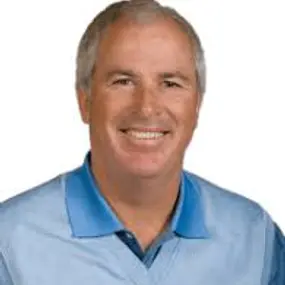
Nobody, it was long said on the PGA TOUR, ever hated a bogey more than Curtis Strange. Although good to great with every club in the bag, it was the ferocity with which the Virginian played that will always be his signature. Strange’s intensity was his edge and led to back-to-back U.S. Open victories.
The first came at Brookline in 1988, when Strange led late only to three putt the 71st hole from 15 feet. When he hit his approach on the last into a greenside bunker, the man who had lost the 1985 Masters on the back nine seemed destined to never win a Major. But Strange got up and down to tie Nick Faldo, then defeated him with flawless golf the next day, 71 to 75.
“We only have so much energy, physically and mentally, to be the best.”
The following year at Oak Hill, Strange was an opportunist, staying in touch with the leaders with 15 straight pars on Sunday before taking the lead for the first time with a birdie on the 70th hole. He became the first man to win consecutive U.S. Opens since Ben Hogan in 1951.
Strange’s quest for the three in a row that would have tied the record of Willie Anderson fell short in 1990 at Medinah, where after a late challenge he faded to T21. The effort took something out of Strange. Although only 34 years old, he never won on the PGA TOUR again, finishing with 17 official victories. The flame that burned hotter than anyone else’s burned out. As he once said, “We only have so much energy, physically and mentally, to be the best.”
Born January 30, 1955, Strange was a child of golf. His father, Tom, was an ac… Read More