Dave Stockton - Part 2 (PGA Wins and "The War by the Shore")

 Apple Podcasts
 Spotify
 iHeartRadio
 PocketCasts
 Overcast
 Amazon Music
 RSS Feed
 Dave Stockton has amassed a golf playing and teaching career worthy of induction into the World Golf Hall of Fame. Hear Dave recount his experience in the majors including the Masters that got away in 1974 and the 1978 U.S. Open that could have been his. He relives his PGA Championship win at Southern Hills, recalling the advice from Don January that later helped him cope in his final-round pairing with Arnold Palmer in 1970 as well as his victory at Congressional in 1976. Dave tells the tale of that iconic 1991 Ryder Cup win with he and his two sons at the helm, looks back on his remarkable senior record and the impact he has had on so many as a teacher of the game. Dave Stockton finishes relating his story for us, "FORE the Good of the Game."
Give Bruce & Mike some feedback via Text.
Follow our show and/or leave a review/rating on:
Our Website https://www.forethegoodofthegame.com/reviews/new/
Apple Podcasts https://podcasts.apple.com/us/podcast/fore-the-good-of-the-game/id1562581853
Spotify Podcasts https://open.spotify.com/show/0XSuVGjwQg6bm78COkIhZO?si=b4c9d47ea8b24b2d
About
"FORE the Good of the Game” is a golf podcast featuring interviews with World Golf Hall of Fame members, winners of major championships and other people of influence in and around the game of golf. Highlighting the positive aspects of the game, we aim to create and provide an engaging and timeless repository of content that listeners can enjoy now and forever. Co-hosted by PGA Tour star Bruce Devlin, our podcast focuses on telling their life stories, in their voices. Join Bruce and Mike Gonzalez “FORE the Good of the Game.”
Thanks so much for listening!
08:11 - [Ad] Did I Tell You About My Albatross
08:12 - (Cont.) Dave Stockton - Part 2 (PGA Wins and "The War by the Shore")
Straight down the middle. It went straight down the middle.
Mike GonzalezMove on then to your major championship experience. And uh uh for our listeners, just quick summary: 54 starts for Dave Stockton, 38 cuts made. Uh, we'll kind of just take them in chronological order, I guess. The Masters where Dave had 12 starts, 10 cuts made. Two top fives, four top 10, six top 25s, with your best finish being a T2 in 1974 with uh Tom Weisskoff. That's the year that uh Gary Player won.
Dave StocktonYeah, that was that was one of my regrets. That was that was a major I should have won. And there are not many tournaments. Usually, you know, I didn't blow too many chances, but that was that was a pretty big mistake. I had a two-shot league going into the last day, and the the in 74 the the uh the the greens were were very they were very, very slow. And it uh it just to me I I intended to put more lead tape on my Ray Cook putter that night because I I could I could tell I just couldn't quite get the ball to the hole and I never leave the putt short. And I'm on the fifth hole, and of course we go into dark, we're at the press comp doing all the press stuff and everything, and I just completely forgot about it. And you'd think I could have remembered since I had about seven hours to wait the next day to tee off at two o'clock or whatever our tea time was, but I uh I'm on the fifth hole, and I'm playing, I realized, and I left one short, and I'm realizing, oh geez, I forgot to put the lead tape on the putter. And I remember three putting nine, which I had made nineteen putts for the front side. I hit every fairway, every green, and I had 19 putts, which I don't ever do. And player went from one up to one, from one down to one up on me, and we stayed that way. Um and he put it in the woods to the right of 13, way back when we're Mickelson hit a six-iron on the green, and I've pulled it, and I'm down there 180 yards, which for me is a four-iron. Well, these kids today would be hitting eight iron or you know, something else, right? But I mean, I was the farthest I've ever been off the T. The last round, I killed it. And I see player pull out this wood, and I'm going, he's got to be 240 to the front edge. There is no way he can carry this water. I've said, we're gonna see this is here we go. And he pulls it and it bounces short of the crick, bounces on the bridge to the left, and goes in the bunker. And I'm still my mind's going, this is ridiculous. I mean, he just that was just unbelievable. So he he puts it, you know, I put it on about 15 foot with a four-iron just above it. It's slow enough, it didn't come down that hill, it's above the hole. He hits his trap shot just inside me, and I leave the putt two inches short for Eagle. And he holds it. And we stayed that way until he knocked it stiff on 17. 17, yeah. And so now I'm now I'm I'm two down, and I I put my second shot in the right bunker where Arnold lost to player by blading it over the green, whatever year it was ahead of it. And uh yeah, and player puts it on the back of the green. And I'm going, okay, let's see when I hold this, let's see if he can two-putt from back there. And I I 180'd it circled. I mean, it just came running right around the hole out of the trap. So I tap it in and he two-puts and I lose by two. But you know, I've given him crap over the years about why he pulled the wood out, and he just thinks that was the greatest call he ever made. And I'm thinking, I just don't get it. No. So that that was one that that one that comes back to to haunt me. I mean, the other one, the other majors, uh uh I had a terrible time in the U.S. Open because I tended to be for a short hitter in crooked. I bizarre that I'm aggressive, but the U.S. Open's didn't fit me. And the only one that I played any good in that I recall was playing at Cherry Hills in Denver in 78. And it was, you know, I came down to 18 in the sloping fairway there at 18, and I my ball landed in the fairway and kicked right into the rough. And it ended up bogeying, bogeying uh 18 to tie Sam Sneed for Tant Sam, JC Sneed for second. But those are my two two runner-up finishes in those majors. And I just, you know, I it's it's it's great to have the the honor of finish second. You got a silver medal and stuff, but it, you know, that did that didn't hurt nearly as bad as Augusta. It, you know, because Augusta, I wanted to always go back to. You know, it really, I mean, I I really respected the place, and it was just it's a nerve-wracking week, but it's it's also, I think, the easiest major to play in because there were you're always playing the same golf course and you know what to expect and where to go, and you know, it's that sort of thing. U.S. Open and the PGAs, it was always hard to win on one course and then turn around and go to another course. That you, you know, like my first time when I won the at Southern Hills and Tulsa, uh, I mean defended at West Palm Beach. I mean, it's six months later. I mean, it didn't make you know, it's it's hard. Anybody that can double up in the majors is magnificent. Pretty.
Mike GonzalezYep. Well, that U.S. Open at Cherry Hills, uh, where you lost by one bogey in the last, but uh as I recall, Andy North, who won that tournament, he had to make a pretty good up and down bogey from the greenside bunker to uh to to win it.
Dave StocktonYeah, he did. And he backed off the putt a couple of times, which I was kind of rooting for him. I uh truthfully, because I liked Andy. I mean, and that's uh he's got a strange career too, to win three times on tour and two of them be U.S. Open'cause Yeah, isn't that something? Yeah, it really is.
Mike GonzalezAll right, let's talk about the open championship. Then uh we alluded to it a couple times, and uh I think you gave us the reason why you only played in it a couple of times, family and travel and so forth. Did you was there a uh an exemption or an obligation you felt to play in it, having won the PGA in 1970 to to go over there in 71, 72 and play?
Dave StocktonYeah, because now I mean I I don't know about Bruce. I never thought about the majors. I tried treated every tournament as a major, you know. I I wasn't in the mindset that Palmer and Nicholas had. And so yeah, I I won and I won in 70 at Southern Hills, as I alluded to, and then all of a sudden I go to you know, I go to Burkedale in in 71, and I'm by myself, and I mean I won't get into the housing and where we're staying.
SPEAKER_01And the food.
Dave StocktonYeah, the food. I mean, if you like something warm, it's it's cold. If you like it cold, it's warm. I mean, it's just it was it was a it was a tough, it was a tough week. And the golf course was exceedingly tough. I remember the first hole. The one the one the the way I played it, I got on the first hole. Was uh the first day I hit a driver and a three wood to get on the first hole, and the next day I hit a driver and an eight iron.
SPEAKER_01Yeah.
Dave StocktonSame hole. I mean, it just I mean it was unbelievable. There's no par fives to 15, I think it's the first par five on the golf course. That's right. I mean, you're playing a million par threes and fours, and usually you're so far over par. I mean, I I finished 11th, I think, there, but it was uh I was you know, it and I enjoyed Muirfield too. I enjoyed the experience once I got out and at Muirfield, I stayed at Greywalls. I had no no problem with my my accommodations at Greywalls. In fact, the first person I saw at Greywalls was was uh Bobby Lock teeing off on the 10th hole. I see this guy in a long sleeve white shirt and a and a tie on, and I'm going, yeah, it was Bobby Locke. You know, I mean it was cool. There's a lot of a lot of history, and it's fun to be a small part of it.
[Ad] Did I Tell You About My Albatross
Mike GonzalezYeah. And and Lee Trevino, of course, happened to win both of the open championships that you played in. Yep. Let's talk about the PGA championship, the highlight. Uh 24 starts, 17 cuts made, uh, two top fives. Of course, those were both wins, five top 25s. So uh let's start with the win in 1970 at Southern Hills by two over Bob Murphy and Arnold Palmer.
Dave StocktonThat was phenomenal. That was uh we come in there, and Kathy is now pregnant with Ronnie. Ronnie is going to be born 30 days on September 16th after I win on August 16th. Uh so she can't walk on the golf course. But prior to it, dad had been, my dad was always trying to get me mentally prepared, and he had me reading this book, psychoscybernetics, and which is like reading sandpaper. And I finally, I uh I finally underlined it, yellow lined it so I could see it. I could read the stuff that interested me. I could read in about 20 minutes. And I took two things out of the book. One, you have to be aggressive if you're gonna win. And the other thing is you have to pick, you have to picture ahead of time what you want to accomplish before you set out to do it. So here I am at Southern Hills, and I'm out early on Monday morning playing my practice round, probably 7.15, whatever. And I'm coming in to 18 about 11 o'clock, maybe a little bit before, and I'm this big natural amphitheater, and I'm picturing 20,000 people sitting there. Little do I know that seven days later I'm gonna be coming up the 18th hole with Arnold Palmer. And as it turns out, I've got a I've got the four-shot league going in the last round, and Arnold, Arnold and I are paired together. Well, this goes back to a story who, and there's a reason why this guy is my idol on tour, was that when I played my second second year on tour, I played in the in the LA Open at Rancho Park, and I was paired in the last round with Arnold Palmer and Don January. And I'd never met Arnold Palmer. I've been on tour two years, but he tended to play the weekends and he tended to play a lot of tournaments I didn't get in. So I'd never met him. So my golf coach introduced me on the first tee to him. And Arnold, they for whatever reason they're pairing 1-3-5. I was seven shots behind Arnold. January is four shots behind Arnold. Arnold is playing really well. And so Arnold tees off, rips it. Then they introduce January, PGA champion, he rips it. So now it's my turn. Well, as January's hitting, I'm looking at my feet and my toes are going up and down. They're just shaking, right? But I'm heavy enough that you can't see that I'm having trouble, right? And uh so it it everything was equal. So I I tee, I hit, just teed it up, no practice wing, ripped it down the middle, 30 yards short of them at least. And as I pick up the teed, this voice goes, Son, son, and I stop, and it's January. And I said, Yes, sir. He says, What do you see out there? I said, I see 40,000 people or 20,000 people, whatever. He says, No, no, no, no, no. Watch Arnold. Arnold's already checked everybody on the left side. Now he's going kind of angling toward the right side, but he's got us by 30 yards in about 10 seconds. And he says, uh, Mr. January says, you know, he says, son, you really have a problem today that I don't think you're aware of. And I go, yes, sir, my ears get real big. And I go, what's that? And he says, uh, well, see, Arnold, Arnold's almost to my ball. We're still 100 yards from it. He says, I know you like to play fast. I know you like to walk fast because you're gonna hit the first shot every time because you can't drive it where we drive it, not even close. But but we can't putt and chip like you, so it'll be an yeah, it'll be a good match. So sure enough, we're walking down, and and Arnold goes to his ball, and now January goes, now see he's his ball. Now we're watching, he's gonna turn around and look at us like, what in the hell are these guys doing? And he does, sure enough, turn around. He says, I just want to explain to you that you got two options. One, you can walk his pace, at which point you're gonna see me walking up your backside all day, because this is how I walk. And Bruce, you know how he walks. This Texas kind of stress Sauntering along. Saundering along, right? So, so he said, but on the other hand, he said, if you walk my pace, we'll really screw this sucker up. I almost fell over, right? So, so so second hole, I make an X. There's no people on the right. I go left of the people, I go right to nothing. I come to my ball, January walks by me, he doesn't say a word, he just winks at me. And the third hole is a part three, and I don't know how you slow play that. I just went to one side and got on the green. Fourth hole, here's Kathy. She's on the out just off the T on four, and she says, Dave, Dave, Dave, what in the heck are you doing? So I pulled around the ropes, put my arm around her, and I explained what Mr. January said. She said, That makes perfect sense. Well, I'll fast forward to 18. I am five shots, I have no idea what I'm shooting. I'm five shots ahead of Arnold for the day. I'm five under. I haven't made a bogey. I'm five under. He's got me by two. He birdie's eighteen, he wins the tournament. I finish fourth, I make thirty, seven hundred dollars. That's out of the eight thousand I'm gonna make all year. I mean, but I made thirty-seven, we were so fired up. Now we're at Tulsa. The reason I'm telling this story is I'm about ready to go out with Arnold. If he wins, he wins the Grand Slam. This is the only tournament he's he got just got nipped by Julius Boris two years earlier at Pecan Valley in San Antonio.
SPEAKER_01Yeah.
Dave StocktonSo now he's got a chance there against me. And the the uh is one thing in in February to be going side to side in the cool breeze off the ocean in in LA versus 95% humidity and 95 degrees. And but I'm doing it, I'm going side to side. Arnold never beat me, ever. And I never did that to anybody else because just because January, and I I look back on it and go, why did Mr. January have the consideration to not needle me like a lot of his, you know, devil. Tears did, right? He could he why he did that to me, I have no idea. But I I remember three putting five, and this guy in the gallery yelled, you got him now, Arnold, because Arnold's within three. And I went birdie two, eagle two, double bogey five on eight, a hard par three, and then I drove in the bunker on nine through a tree, and then knocked at a foot to birdie. So I go birdie eagle double bogey birdie, and I've got a seven-shot lead with nine to go. And I hello. I came to eighteen. First time all day I outdrove armor. I was so pumped because I'd made about a 15-footer for par to have a three-shot lead going into 18. And I killed it. And I get it down there, and I I followed a plan, which you go back to Colonial where I won playing with Cootie, and my ball hit Cootie's ball on the fly on 18, and I'm hitting like a six-iron into 18. And I know I don't want to go to the Australian pond to the left, right? I don't want to go near that. The Crampton pond. The Crampton Pond. If I if I hadn't, if the oak tree hadn't been left to the uh to the right of the right trap, I'd have hit the clubhouse because I wasn't going anywhere near the water. So, and I knew I said, if you if you win by one or two, they don't care. And Arnold hit, I don't know what he hit, a five or five iron or something into the green. And I hit the most beautiful nine iron 20 yards short of the green into the right. And Arnold just looked at me and gave me thumbs up because he know he he knew he was toast. Because I the last thing I want to do is embed it in that that bunker. Nice. That steep bunker, which which Hubert Green did in 77 and almost cost him the open there. Yes, it did. So so at any rate, that's that's my I know it's a long story, but January he just gave me information because I never knew anything about the pace of how I played would affect the outcome of a tournament. But in this case, it was unbelievable that he did that. Thank you, Bones. Yes, absolutely. Absolutely. What a class guy.
Mike GonzalezWell, I know it was a hot week out there that week. You were the only player under par that week.
Dave StocktonYes, yeah, and I Gatorade had just been invented. I was drinking Gatorade every three holes. He had these large cans of Gatorade. I never visited a restroom. I mean, you just sweat it right out of you.
SPEAKER_01Yeah.
Dave StocktonYou know, no, it was it was unbelievable. And I, you know, because I needed, I mean, it was more important than me to win a major, and I'm always rooting for the underdogs because of that. I mean, I know it's wonderful, and I and I wish Arnold could have gotten the Grand Slam because he certainly deserved it. Just like I'm rooting for McElroy now, you know, that all he needs is the Masters, which should be the simplest one for him to win. But I just, you know, I it it was very important for me to obviously to get a major, and then of course you'll get to it. I mean, 76 at Congressional, I mean, I I validated the fact that the PGA wasn't luck. I won another one, you know. Yeah. Although in a totally different way.
Mike GonzalezAnd as it turns out, 1970 was uh Arnie's really last uh last chance to win that uh fourth major. What did that 10-year exemption mean to you? How did that change your life?
Dave StocktonWell, if I had kept my mouth shut, it would have would have changed a lot of stuff. But I was one of the young Bucks that I was really ticked off. We had some we had some former champions, um primarily Jerry Barber, who wanted to keep playing. He'd won it, he wanted for life, and he didn't care what he shot, he liked the advertisement or getting out there and getting in the public eye, and I just didn't think it was fair. And for three weeks before we played, we played at Southern Hills, we passed the deal, where instead of it being a lifetime exemption like Guyberger got, it's a 10-year exemption. And so I'm going, as I'm standing there accepting the trophy and all this, I'm going, God, if I'd just not pushed so hard, I would have had a lifetime. So then six weeks, six years later, I went in 76 and I'm going, well, do I at least get 70 to 80 and then 80 to 90? No. So I wouldn't I win it twice and get a 16-year exemption, but it it it changed everything to answer the question because I I plan my schedule around the corporate outing, and so far it's kept me out of the Hall of Fame because I, you know, I know I could have played more tournaments, but I like the fact that I could do corporate outings on a Monday and Tuesday and then spend time with my family. You'll get there though. Well, we'll see. Yes, you will. We're not in any rush. It it's kind of strange because my I feel like my teaching career is better than my playing career, but it's it's it is what it is, you know. And I that's not that's not the reason you're out there. I mean, I just we've had a great life, and you know, these majors played a a huge part in it, for sure. And uh no, it's it's it it is what it is. So the 10-year exemption, it did change my life, and I went immediately back to doing more corporate outings.
Mike GonzalezAnd and to the World Golf Hall of Fame, I think if they are can if they do consider your complete body of work in the game of golf, there's certainly a strong argument to be made for Dave Stockton uh given your career in the majors, both on the regular tour and the senior tour, the as we said earlier, your experience uh in the Ryder Cup as a player, as a as a as a uh uh captain coach, captain. Uh and then and then what you've done even since uh being active on the playing tours.
Dave StocktonYep, no, it it it it's been a it's been a marvelous career, obviously. And uh I I do I've I've enjoyed the instructional part of it. I mean, there's certain people that I know, McElroy being one, Molinari being another, Annika Sornstan being another. I mean, there's lots of people um that I know I affected. And uh again, I'm looking back on the fact that I just think putting simple as hell. And uh I don't, you know, the the the biggest thing for the people to do is they've got to realize that it's not the same as the other part of the game. It's not just a shorter club and they gotta kind of do the same mechanics, it's not the same.
Mike GonzalezMaybe Justin Thomas needs to come see you now. It seems like he's striking the ball well and can't can't putt.
Dave StocktonYeah, there's a lot of them that'll do that for sure.
Mike GonzalezLet's finish up your career in the majors with uh your win at Congressional Country Club that was in 1976 by one over Raymond Floyd and Mr. January.
Dave StocktonYes, yes, yep. Yeah, that was now that's I won Southern Hills. Nobody can say they got you know tapped out and should have won it, because I did win that. But here's a whole different ball game. Congressional, we had the rain out on Sunday. I'd played the first five holes and I was three over par the first five holes. And they completely rained the round out. And I had an American Airlines outing the next day at uh you know, supposedly they're right, you know, within three or four miles of Congressional. And uh we get out there on Monday, and I'm two under the same five holes, so I'm five shots better than I was. And uh yeah, yeah. So I now the last fairway I hit till 18 was number 11. I remember seeing Ronnie on 14 where he's down picking up some sticks. No, 13, he's down picking up some sticks, and I've driven it in the boondocks, and uh I had nurse a one-shot lead. I put it in the rough on 17 to the right, I put it in the bunker, and the pin was just over a ridge in the really a tough bunker shot, and I put it a foot. So now I got a one-shot lead and I get to 18. I'm going, this is ridiculous. I mean, I gotta get this in the fairway. So I take a three-wood. I added a three-wood off the T because you know I have the advantage of being short and crooked. And I hit this three wood right down the middle, and I get down there and I got two twenty to the hole. And I'm going, Well, I have water there, I'm not gonna hit it, so now I gotta lay up. So I lay up to like sixty yards, fifty-five, sixty yards. And Perfect. I'm 15 feet. It's about an inside right putt, the absolute easiest putt you could have, except for the situation you're in. And as my other competitors are putting out, I look at it, and like I alluded to, I mean, I was from the time I put the coin down to the time I stroked the putt, it was 14 seconds. I mean, there was no time taken. And I knew because I can hear the people running through the trees to get to the playoff. And I told Mike Rose, my caddy, I said, you know, a lot of people aren't going to see the end of this tournament because it's about ready to happen right here. And I mean, the ball was five feet in the hole, and I'd I'd already turned to the people on the left side of the lake, and I had my arms raised, so I knew exactly where the ball was going. Um and there was no doubt. And I come off the green. Two thoughts. There's got to be 20 people ready to shoot themselves tonight because they should have won it, because it shouldn't have been me. I didn't deserve to win it. But the other thought was, I bet you I get to be a Ryder Cup captain now. Because if you won one PGA, well I'll ask you guys a question. There's only two guys. When I was the captain in 1991 at Kia, there have been only two people that had not won the PGA that have been a captain. Do you know who they are, Devil? No. Palmer? I must admit. Palmer and Casper. I'll be done. Both of them deserved it, but that's how important it was to win the PGA. Yeah. And uh, like Dave Marr got it, he only won once, but Bobby Nichols didn't get it when he wants. Guyberger didn't get it when he wonce. So when I won the second time, I'm going, I bet you I got a great shot at becoming a Ryder Cup captain. So that was my thought. But it was it was total different than Southern Hills. I mean, I you know, I walked away with it, and there's different ways to win tournaments. But uh that was that was a grind. That did not fit my my golf game whatsoever. That is one heck of track. Boy, it is.
Mike Gonzalez53 putts over the over the last two rounds. Uh so you were making some putts.
Dave StocktonYeah. Well, you if you miss every green, you're gonna have a lot of little short putts.
Mike GonzalezAnd did you make that outing on the on the Monday afternoon?
Dave StocktonNo, no, well, I I did. I got my full pay. I dro I finished. We finished, we did the press, and then I got a call from we with Monday there that week. We'd gone to the White House. We had our nanny, uh, Vicky Bevins from Iowa with us. Our kids, Kathy and I, went to the White House. We we went to every room in the White House. It was unbelievable on Monday. I had no thought where I told you where I was visualizing I was going to win the tournament at Southern Hills. I was, you know, I wasn't playing that good or anything. But it was just a real high to go to the White House. So we ended by we're we're coming in and all of a sudden we get this word, uh, Kathy's very proud of this. She's one of the first women to ever get in the men's locker room at Congressional because President Ford wanted to talk to both of us, not just me. So we got a great picture with the the Watermaker trophy between us, and we both have head headsets on talking to the president. And we're thanking him for the all the courtesies he gave us on Monday, and of course he's thanking us again. It was the second time he'd called me, the first we alluded to at Sammy Davis Hartford in 74. But uh very good friend, and and uh those are those special moments getting to meet class people like that for sure. Yeah, yeah.
Mike GonzalezLet's talk a little bit about the Ryder Cup then. First, as a player, you were on uh uh team in 1971, which was a win at Old Warsen, I think that year you were the youngest guy on the team.
Dave StocktonMm-hmm. Yep. J. Bear was the captain. Uh I was playing the best golf of my life. Uh I'd won the PGA the previous year. And uh I just I remembered both Littler and Miller Barber not playing well there. And I, you know, I I was fired up. I didn't know who I was playing with. I would, you know, I don't even remember who I played practice rounds with. But I found out the night before that I get to go out in the first match with Nicholas as my my partner and aldernote shots, which I you know use that information that I learned there that you don't put alernous shot people with you, you try to pair like abilities. So if they're both big hitters, fine, they're gonna feel comfortable. I mean, it only took it only took Jack five holes to turn to me. He says, Is this all the farther you can hit it? And I'm thinking, you're the best golfer on this planet, you know. It it just it just was it just didn't jive. And I hadn't played any practice rounds with him. And I said, You just knocked close, I'll knock it in, don't worry about it. But it's still the only match I lost. I've I've in Ryder Cup, I'm 3-1-1, and and my one loss is with Nicholas and I. And the and Jay was smart enough, he sat me down and put JC Sneed in, then they did fine. And, you know, the highlight of remembering class guy we talked about earlier was the opening ceremony, and I'm gonna hit the ball in 20 minutes, is they're raising the American flag, and I'm standing next to Billy and Shirley Casper, and they are bawling. I mean, balling. That golf ball, when I teed it up 20 minutes later, looked like the size of a marble. I mean, I'm just going, holy cow, this is a this is a serious big deal. Serious. It's nothing like you know what it is now, you know, when when Nicholas and Torino and uh Nicholas and Jacqueline got together and figured out this having Europe play instead of Great Britain, just Great Britain and Ireland. Um I was fortunate, both mine, and then 77 77 Lytham and St. Anne's uh was uh was an eye-opener for me because I was not playing good there. Um and but paired well. I played with McGee and he carried me along, although his pants looked like we did all in his we did all in a shot. And I hit my first fairway on 18. And he'd been out there in their low roses that live in the St. Anne's. He looked like he'd been in the he'd refereed a cat fight because he had threads hanging out of both both of his legs, and he never missed a fairway until 17. And but we won, we were two down with three holes to go, and we won the final three holes to win in the opening match. And Finsterwald kind of turned to me and said, You're not playing very good, are you? And I said, No, sir, I'll do whatever you want, but I am definitely not playing good. But I played with Hill and we won one more point. So it was it was it was it was a fascinating time. But it it gave me a lot of information on how both these captains, both Jay Bear and Dal Finsterwald, how they treated us and what we did, and how to kind of plan for what we did that kind of led up to what Kathy and I did at the Pete Diecourse there at Kiewa.
Mike GonzalezYeah, so that was a team win. Uh, and it was the last year that it was uh GB and I only, so uh uh it was in 79 then that they uh uh I think the Ryder Cup really was transformed as they uh added the Europeans, and and uh I'm sure we'll tick through some of the famous names. Let me just set the stage for our listeners a little bit because uh we're now going to talk about your captaincy at the ocean course at Kio in 1991, which was a dramatic win for the U.S. side. But to sort of set it up, you have to provide some context for the listeners in terms of the buildup. So, you know, you heard Dave just talk about the team win in 77. Now in 79, you've got the first European team. Uh that builds to 83 when you had a real contest down at PGA National where the U.S. won by one. But I think that's really, it seems to me, where the rivalry started. Uh they go back to the Belfry, and actually the U.S. loses at the Belfry. Two years later, you got Jack Nicholas as the captain at uh at Muirfield. And to hear Lanny Watkins and some of these other guys that played for him that year, they they can't forgive themselves for losing with Jack as their captain in 87. So that was a tough loss. Then you go to Belfry again in 89, and it's a tie, which means the Europe uh team uh retains the cup. So now, you know, uh U.S. hasn't held the cup since 83, and now you're rolling to Kiowa Island uh trying to reclaim the Ryder Cup for the first time since then. And why don't you take us through it, Dave?
Dave StocktonWell, it's exactly what you alluded to. I mean, we've been eight years. The the the it was an unbelievable event at at uh PGA national, uh Lanny Watkins stuffing that shot. Um and it to to barely eke out a win, but the one that got my attention was when Nicholas lost on Muirfield on his home course. And we tend on the American side, we do some strange things. Uh we tend to play golf courses that the Europeans know as well as we do. And um and yet, well, well, we're getting ready to play whistling straits now, but I was over at France, and I mean I thought this is a brand new course here plan. Literally to find out they've played the French Open there for 30 years. So it's been an event on the European tour, and yet none of our guys have played it. I think four or five of the guys of the 12 had played a practice round on it. And so we come into Kiva. First of all, when I accept the captaincy, I'm expecting to be at PGA National, at PGA West here in California, an hour and a half from an hour and 20 minutes from my home. Uh but then they get a TV contract, and this is going to become the first wall-to-wall televised rider cup. But they realize the three-hour time change is going to kill them. So in steps P. Dye, and and literally, I went there the January of 1991. There wasn't a blade of grass on that golf course. And I'm going, okay, how can they get this done? I mean, I don't, I'm not an agronomist, I don't know what they're doing, but I'm out there with P. Dye, and Kathy and I are riding around with him, and I'm I'm looking at this thing and I'm thinking, oh my God, we don't know this place. The European don't know this place, but it sure looks like something over there that, you know, that I had that took a lot of effort to try to learn. And and basically what transpired is that I offered to Gallagher to have his guys come after Hilton Head, after the Masters. Not one person took us up in coming down there and looking at the golf course. And I never I still have never understood that why they didn't take that opportunity because they didn't know it. Now, this year we're going to whistling straights, and they know it just as good as we know it. So there's no advantage to the to the Americans, it's just a matter, you know, whether we play better than they do. But it is it is must musty TV. It is phenomenal, and we we get down there. I I I picked both my sons as my two assistant captains. And I I I you know I I I get to pick two two players to to join my team. Um, and I basically had six guys that I I kind of talked about on my team that I knew were going to be on my team. In fact, there were four of us that talked every morning. Uh every time we saw each other, we talked about Ryder Cup strategy, and that was Aisinger, Payne Stewart, Lanny Watkins, and myself. And we would talk about strategies, and I don't think anybody was more prepared than the four of us. And it shows you the difficulty of winning a Ryder Cup because Lanny lost up in New York, you know, and he picked Curtis Strange. And my one spot that I'd given, because Curtis won two U.S. opens in a row prior to Kiawa, and I told him, I said, you have a spot, don't worry about it. And long about March, I started talking to him. I said, I'm gonna give you my I'll I told you I'm gonna pick you, I'll pick you. Long about June, he said I want to withdraw from that deal. I'm not playing well enough. Kind of like what I was talking to my captains when I give them the honest assessment. And so I ended up picking, and I told the guys I was talking to, uh, Hale would be another one that was in there on the on the mix that I knew was going to be on the team, and I wanted their opinion of which which because I'm not playing with them. Who do you guys think we should play with? But I will tell you the one I am gonna pick for sure is Floyd, which was the oldest pick at the time, but I wanted him to go with couples because couples didn't couples is a great player. We all knew how good he was, but I don't think he he realized how good he was, and I was just gonna pair the two of them together. But the last pick was the interesting one because the three guys in consideration were Tom Kite, Tom Watson, and Chip Beck. And for various reasons, I ended up going with Beck, which put him with Asinger, which unfortunately God decided that he's gonna pair Asinger and Balsteros just to see how they got along for two days every single frigging match. And how they did it, I don't I don't know. Because it was it was it was not good chemistry between those two, and no love lost. And it was but it was it was just one of those things. And I I I hated the fact that the PGA called it the war by the shore. Um, there's been some positive things come out of that that writer cup. I wanted to have a poster. So when I do interviews and I did, Kathy and I went all over the country for a year and a half publicizing why we don't get paid, and we're doing it because we like to see the flag go up and we're representing our country. And it was interesting. They wouldn't, I said just put the PGA trophy in the sand dunes in the right in the stuff and run a shot of that and and let us, you know, so I could have it. Well, they never did it. I finally got my poster of my team at when I was assistant with ASIER in 2008 at Valhalla. And I finally got my Ryder Cup poster then, 17 years after the fact. It was ridiculous. But at any rate, it was it was it was a tough deal. There was no sanctuary there to stay in like there is now. We stayed in in a four-story apartment buildings there close by, about a mile, mile and a half from the course. But it was interesting to me the fact that I thought the teams were really, I didn't know some of the Europeans. I didn't I didn't know who Faraday was. I had no idea. Little I know he had win his single match on the last day when we go into this thing tied. But uh I started out by the only night that we didn't have a PGA event was on Tuesday night, and I invited the Europeans. I talked to Gallagher, I said, would you join us or a low country cookout? We'll have a barbecue, we'll have some lobster and meat, whatever you want. But my only request is you can bring your family, any of your family and your friends, but I do not want a single PGA official. And I did the same to my team. And so we all got together and we said it was a great time on Tuesday night because there wasn't any pomp and circumstance like there was, and the the biggest, the biggest thing that hurt us was driving to Charleston to get the for the dinner when our limos, three of our limos, ran together in the rainstorm getting there. And that's where Pate got hurt, who was obviously going to play with Paven every single day, my two Bruins. And he I put him out on Saturday when I shouldn't have put him out, but I wanted to give him an experience, and they lost two and one. But I mean, uh it wouldn't have been tied going into Sunday. And so here, flash forward to Sunday, dead even, and it was really weird because I put my strength first and last. I fought, and I put I put I put Payne out, and then Raymond out, and Kalkovecchi is out third, and then I of course I put and I thought I was gonna put Lanny out, but Lanny said he was tired, so he wanted to go out in the end, so he was next to, and I put Hale last, and and and Paven and prior to what you know Paven and then Watkins and then and Hale, and then put the rest in the middle. And and Gallagher did opposite, he put all his good players in the middle of the of the pack. And that's the way he went with it. So we had some some of our weaker ones in the middle that weren't playing particularly well against their best best players. And I like that setup. And then all of a sudden, both both Hale, both uh uh Raymond Floyd and Payne get get beat, but as they're doing that, Calcoveki comes into eight, because I watched everybody go off one and I went to eight, which is really hard when you're trying to watch, as it turned out, eleven matches, not twelve. But I'm on eight, and the guys all ignored the first two guys getting beat and said, Look at Calc, because Calc won eight to go three up, he won nine to go four up, he won ten to go five up, and now he's gonna lose, you know, he's gonna lose all five advantages by the end. But in the end, and I I told him truthfully so, I thanked him because I said, You're the one that carried this team. And you did it if you'd have made 18 pars and you never were up or never down, we'd have lost. You would have still tied your match, but we would have lost. And it's true because he gave us the momentum. Then the and the hindsight for me was looking back, and nobody can say which player won the deal for us. Nobody won every single point or anything like that, but it was a team effort, and uh it was certainly the greatest experience of my life. Um and it just it's it it was it was it was really special.
Mike GonzalezWell, we we want you to recount uh just the final moments with the the the the uh Hale Irwin uh uh Bernhard Longer match, which is quite famous, but uh let's just talk about the two areas of or maybe three areas really of controversy. One was the the Steve Pate deal, so uh the Europeans, you know, they were they were claiming that there was some gamesmanship going on that Pate played in the first day, so uh uh didn't play in the second day, is that right? Or was it maybe I've got it flipped. Maybe I've got it flipped.
Dave StocktonNo, he played in the afternoon. He played in the afternoon of the Saturday matches. Yeah, that's all gotcha.
Mike GonzalezYeah.
Dave StocktonAnd it that was BS because it just it was ridiculous. I mean, I I told Bernard what was going on. I mean, I I I felt there was some audio stuff, people calling their rooms and everything that was unnecessary and all this stuff, but um I there was we weren't trying to do anything. I mean, we you could see the scar across Pate's belly is probably 14 inches where he hit the the in the limo hit the the bar area, the wood, right across his kidneys.
SPEAKER_02Yeah.
Dave StocktonI mean, he was in excruciating pain. And Raymond got hit too, but not as bad as Pate did. And like it's like they think we're you know, they look like there was something under every rock or something, and there was nothing. We we did everything we could, and so I did. I put him out in the afternoon. He didn't feel good Saturday morning, but Saturday afternoon it was like here we're taken. I'm not thinking we're gonna be even. I'm going, I'm gonna give him a shot because he was playing better than anybody else on our on our team. He never had a round of Kieva above 67. I mean, he was he was killing it, and so there was no animosity. In fact, that's I alluded to the first story about our Tuesday cookout. To me, the end thing which they don't do anymore is they have a Sunday dinner, and you get together with the winning and losing team. Well, they had two buses there, one for us, one for them, and everybody's just filing on one bus, and we're like three people short. And Woosman says, that's okay, Stock. He said, Don't worry about it. Pavin's not that big, and he just picks Paven up and carries him on the bus. You know, and so so as far as the war by the shore, and I will hand it to him, they were very classy in defeat. I'm not sure I'd have been able to pull it off. As I'm sitting there, my head down and longer's making this last putt. I was really hoping that he wasn't gonna miss it because it was gonna be, it could have been a real, real problem for him down the road if he did, and I couldn't believe it. I mean, I just I was about four feet, you know. And when he missed it, I felt I I I you know, obviously we won. I didn't, and you alluded to the fact we hadn't had the cup back in eight years. Yeah, we're gonna tie, but they're gonna keep the cup. But I'd already made peace with myself. I did the best job I could. You know, and unfortunately he missed it for him and the Europeans. He went on to win the British Open the uh BMW the very next week in Germany. He bounced right back and won. I mean, what a class individual. And um What a hell of a player. Well, it's just yeah. I mean, he's well, a thinker. I'm again, I'm gonna get back to the brains part of this thing. I mean, he he's got the mind, he's got the physical ability, but he kept himself in such good shape. I'm you know, uh, you know, like on the senior tour. I mean, I made all my hay from 1991 to 1996, and then I won the senior U.S. Open and I was gone again. I mean, I just went to do the thing, and he just he he just stuck with it. And I he he's one of those guys we're glad we got a chance to meet and be around because he's he's unbelievable, yeah. And it's you know, the games could become a worldwide game for sure.
Mike GonzalezHas there been a more pressure packed four-footer in the history of golf than what he faced that day?
Dave StocktonI don't think I don't think Duck Sanders did too good at the British Open with his two-footer. Yeah, the three-footer, two-footer or whatever the heck it was. I mean, it you know, it it's hard when you're playing for your country and stuff, and and I'll care I grant you, it was dark, and you you won't believe how dark that was. I mean, it was not an easy putt, and it's not obviously an easy hole. Um it just and then that's that's what I mean. That golf course played so hard. Ola Thobble's mother, she she walked 36 holes a day. She had blisters all over her feet because none of the ground was solidified yet. I mean, you go there now, it's like you get off the fairway and it's like hard pan. But boy, it was just you know, it'd just been created. You know, so no, it was it was it's unbelievable to Pete Dye and his the course he designed, which is phenomenal. Uh but it was it was it was a tough, tough ass that week. And the wind came a different direction every day. So it was you know, it it was. But it was a thrill. I mean, it was I'm glad we got it back. And we haven't had it back that much since then.
Mike GonzalezSo let's have you, because we alluded to this, let's have you talk a little bit about the Sevy Azinger run-in. And this was an incident over what was in place then as the one as the as the one ball rule. Why don't you just take us through that briefly?
Dave StocktonTo me, it's just one of those things. It was all our fault. They used you know they used the wrong ball. I mean, they're using two different balls and they used it on the wrong back on the sixth or seventh hole. But you could only if you called it on that hole and caught them on that hole, the Europeans would have had, they would have had won that particular hole. As it turned out they won anyway, so it didn't make any difference. But it was it was just one of those things. And it was completely our fault. It wasn't Sevi. Sevy had the right to do what he was doing and complaining about it. So it was it would like I say, my frustration was the fact that they the first three matches every time I, you know, because you don't you don't know who they're putting up against your names that you're putting on the board. And I don't know. They just those two got to have fun together for two for three rounds.
Mike GonzalezWell, it was uh it was certainly a rider cup for the ages. And with the time we've got left, let's just move on quickly and talk a little bit about your senior PGA tour experience. Uh of course, you joined the senior tour in 1992, had 14 wins, including three majors, and so uh in addition, you were rookie of the year on the senior tour ninety-two, player of the year ninety-three. You led the money list in uh both nineteen ninety-three and nineteen ninety-four. I think what's most impressive to me is you finishing in the top fifty for 13 consecutive seasons. I don't know if there's many people that have done that.
Dave StocktonWell, we know for one thing longer has, I guarantee you that. Yeah, boy. Probably for 16 or 17 now as he's going. But yeah, it was an interesting time. Um I can remember that I finished the Ryder Cup in September. I turned on November 2nd. My only term at in 91 was at Cap Kanapali, and uh and uh we get over there at Hawaii and I play three rounds and I finish and I I finished 12th, I think, and I I'm I'm I'm thinking to myself, God, I I feel like a prize fighter that's been in a ring and I've fought, but the other guy didn't show up. I mean, I got to ride a cart, I had I had only played three rounds. I just I mean I'm going, This is this is unbelievable. And the next year, the next year I I remember because I you know, part of when you play the tour, you make the cut, you get a we at that point we finally started getting some money for our retirement, right? Well, on the senior tour, you had to make the top 48. Well, and then after 12, if you if you did it twelve times, then it doubled or did something. All I know is I played 17 straight weeks to end that. And the last week for me was playing was playing Ghana Pali on the 16th week and then playing Kappa Lua the next week against the kids where I had to walk. And I mean, I I'm just taking weeks off, and I'm going, I'm I'm not taking a week off, I'm playing. I don't hit any practice balls, I just go out and play. And I was I was in the top ten. I forget the top 48. I mean, that wasn't even a question. In fact, I was fourth going at Kappa Lua, my 17th week in a row. I was fourth and finished 11th, I think, playing with Davis Love and uh on the regular tour. But to me, it was like the ultimate gold mine because I mean I just I mean my game, like I said way at the start of this, uh Kathy got me on this stretching program, and my back had never felt better, and I could not get outside the top ten. I mean, you forget it. I mean, I was just I was right there in my mind almost every single every single time. And uh I I I had more fun. I loved Needle Jack. I said, God, thank God you built that easy course up there in Michigan, TPC of Michigan and Dearborn. I mean, you know, I won it twice and you know, this sort of thing. Although I won it once. Second time I won it. The first time that's when JC made a slight mistake and doubled the last hole and let me win. I mean, I I'm I'm I'm two shots behind. I'm two shots behind going to 18. I don't even have to have a playoff. Because he I made it by Birdie and he made a six. So I ended up winning there. But uh the the U.S. Open in Canterbury was special, beating Irwin. Um, and again, it that that's to me, as you start looking on these things. I I like the courses that I've that I've won on. To me, that's that's what made my career from colonial to congressional to Southern Hills to Canterbury to a couple of Firestones with Guyberger down at CBS Golf Classics. Um a lot of really good golf courses, and that that's been the fun part of it. The the bottom line that you have here, which I'm sure you'll get to, is that my Sterling playoff record is not very good. Well, it wasn't crunch all it wasn't it wasn't bad. It wasn't bad. It's just, you know, the other guy, I mean, between I don't I don't even know what happened. I mean, I lost all sorts of them. And the one that really hurt me, I still can't figure out, is David Graham beat me at Key Biscayne because I played right behind him on Saturday and he hit it straight into key Biscayne on off 18, which is all water down the right. And here I get in the playoff with him, and we go ten holes. I mean, I had ten holes. I had to I had to chip in on one hole just to like the sixth hole or seventh time, and he's outhitting me by 50 yards. He's hitting, he's hitting eight irons, nine irons, and I'm I'm out there, I'm hitting five irons and six irons and whatever. And I'm just patiently waiting for him to hit one in that pond. If he'd done it the day before, at least he could have hooked one. But he never, he never, whatever he did, he straightened it out. So no, my playoff record until I hit the senior tour and and Johnny Miller's event up in Utah, the father and son. And those are the only two. Thank God I had Junior to help me, but we beat we beat uh we beat Miller one time and Nicholas the other time. So I know that doesn't count on the individual, but I had to count it, so I didn't feel like I lost every single playoff on the planet.
Mike GonzalezThere you go. Well, we had fun talking to Ben Crenshaw about his 0 and 8 playoff record as well. We had some laughs over it.
Dave StocktonYeah, well, it's it's not time, it's not not time to laugh. I mean, it's kind of a you you look at it and you go, how in the hell could I be that inept? But uh a lot of it is the fact that you gear yourself up to go a certain number of holes, I guess. I don't know. Um I I really I really had no there were certain ones that I thought I had won and I didn't. So at any rate, it's kind of a uh uh stickling point. I guess the other the other thing I'd like to mention is that the other time that I was with the Ryder Cup was an assistant daisinger, and which who I think has done the most phenomenal, and this should be somebody you guys could talk to, uh interesting guy. Uh we were very good friends. He stayed out here at our house. We moved out of his house when he was battling cancer, and we became very close friends. And for him to pick all the changes he made in the Ryder Cup is getting four captain's picks, um, all these different things that he could do and getting up to four assistants and thinking this pod system that he did uh when he went up against Faldo at Valhalla. I mean, it was a no contest. I mean, this he we did the best job. And you know, it's just it's a it's a template now for what we have faced in the Ryder Cup. And here we it's gonna be interesting. Stricker's the first one to be the captain that has not won a major, but I I can't think of a better leader. And we've we've got this group of guys, and the next couple coming up are good, they're gonna be announcing they will surely be will be will be uh uh tiger and and then Mickelson. Uh Mickelson will be should be getting Rome following it and then come back into Beth Page. But um I can't I can't I I have to really thank Ezinger for picking me in that being that age and being one of the assistants. In fact, Nicholas thought I was nuts because he said, you know, what do you and Raymond think you're bringing as two assistants out of the three assistants there at Valhalla? And I said, Jack, why don't you call me on Sunday night when we when we bury him this week? Because Asinger doesn't have anything that's not you know not in you know turned in stone and stuff. But uh it it's it it's been a phenomenal thing. And I again I'm gonna allude back to the time that uh I've enjoyed the teaching and and the friendship, Bruce. Uh I I've always enjoyed my fellow competitors, and it's been fun to to to share in a lot of the memories with them, especially now and working with these guys and the putting and and all the other stuff. Uh it's uh I I know I made it easier for some of them, maybe not all of them. Uh you know, Weisskopf on down the line. So it's it's been uh it's been quite a ride.
Mike GonzalezSo as we wind down here, Dave, I'll ask you a couple of quick questions that we've asked all of our guests. Uh the first would be this if you had one career mulligan, where would you take it?
Dave StocktonOh I don't I uh yeah, I'd put lead tape on my putter at the Masters in 74. And and player could hit his friggin' three would bounce it over the bridge again, and it wouldn't have made any difference. Wouldn't have mattered, huh? So yeah, that that would that was a real screw up on my part.
Mike GonzalezYeah, okay. All right, next one is uh if you knew when you turned professional what you know today, what do you think you would have done differently?
Dave StocktonNothing. I've been the luckiest guy on the planet. I've had a great marriage, I've got a great family. Um my hobby's hunting and fishing. Uh in my age now getting close to turning 80, I'm you know, I'm already planning for the next hunting season and all this stuff. Uh I am playing more golf, but uh I wouldn't change a thing. I mean, I work for American Airlines in corporate outings for 40 years. I mean, I've just and I've I've alluded to President Ford and some of these other people that I would never have met in any other walk of life. Um I just I I'm just blessed. I mean, it's just been uh you know, from the our friends that that we met on tour, we've kept all this time uh to be a part of that. It's just it it's it's a fraternity, and I I couldn't I couldn't ask for anything. I wouldn't I wouldn't need any more wins, I wouldn't need anything else. Uh I just and I'm I'm I'm very happy. I've lost my mom at 73 and my dad at 72, so here I am, Kathy and I'll be 80 before the year's out, and uh, you know, I can go out and shoot my age without even thinking about it, so things couldn't get any better.
SPEAKER_01Well, we want to say how much we appreciate you taking the time today, David. You know, it's been a pleasure having you on for good of the game with us, and uh we wish you all the best for the rest of the years you will be around.
Dave StocktonGood, Bruce. Well, I I appreciate it. Mike, thank you very much. Great questions you guys had and stuff, uh, even though you put up with me not being challenged as far as the computer and all this other stuff. So it uh uh it's been fun for me too. Good luck to you guys and keep me in the loop if you ever have any more questions, okay? It went straight down.
Mike GonzalezAll right, thanks, Dave. Appreciate it.
Dave StocktonThanks, guys. Enjoyed it.
Mike GonzalezThank you for listening to another episode of For the Good of the Game. And please, wherever you listen to your podcast on Apple and Spotify, if you like what you hear, please subscribe, spread the word, tell your friends until we tee it up again for the good of the game, so long, everybody.
Outro MusicSmack down the fairway. It went smack down the fairway. Mac head is as long as you're still in the stage, okay.
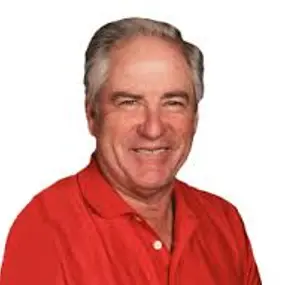
Professional Golfer, Instructor
Dave Stockton is regarded as one of the world’s finest putting instructors. After playing college golf at USC, he turned professional in 1964 and played at the sport’s highest levels. He won 10 PGA Tour events including two majors — the 1970 and 1976 PGA Championships. He began play on the Champions Tour in 1992 and added to his collection of professional tour victories with 14 titles, including three majors. He won Rookie of the Year honors (1992), Player of the Years honors (1993) and was the tour’s money leader in 1993 and 1994.
He also played for the winning U.S. teams in the Ryder Cups of 1971 and 1977. He was the victorious non-playing captain in the 1991 Ryder Cup at Kiawah Island, known as the "War by the Shore."
Since completing his playing career, Stockton has turned his attention to teaching and he has teamed up with sons Dave Jr. and Ron. Together, they have contributed to more than 60 Tour victories across the world and have engaged the golf world through books, magazines, DVDs, television and the Internet.