Lorena Ochoa - Part 1 (The Early Years)

 Apple Podcasts
 Spotify
 iHeartRadio
 PocketCasts
 Overcast
 Amazon Music
 RSS Feed
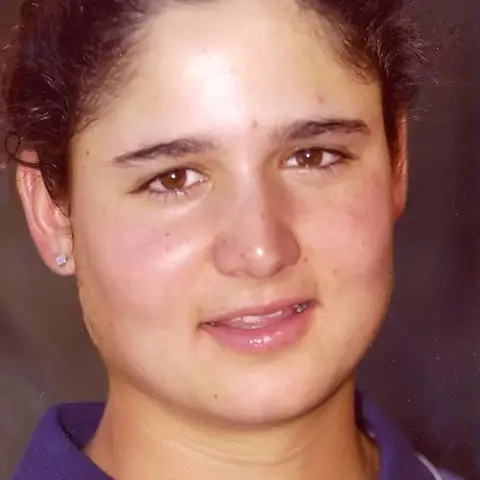
 In this special interview with our 100th guest on FORE the Good of the Game, hosts Mike Gonzalez and Bruce Devlin sit down with one of the most dominant players in women’s golf history, Lorena Ochoa. A two-time major champion and World Golf Hall of Fame member, Ochoa’s impact on the game extends far beyond her remarkable 158-week reign as the world’s No. 1 player.
In the first installment of this four-part conversation, Lorena takes us back to her early days growing up in Guadalajara, Mexico, where her love for the game was ignited at just five years old. She shares cherished memories of playing alongside her father and brothers, the competitive fire that pushed her to keep up with the boys, and how she quickly progressed from local junior tournaments to the international stage by the age of eight.
Lorena reflects on the key influence of her longtime coach, Rafael Alarcón, who guided her development from a determined young girl to a future world No. 1. She discusses how a heartbreaking national championship loss at a young age became the catalyst for her unwavering commitment to the game. The episode also explores how playing multiple sports—including basketball and tennis—helped shape her athleticism and competitive spirit.
This conversation is a must-listen for golf fans and aspiring athletes, offering a glimpse into the mindset, dedication, and passion that fueled one of the greatest careers in women’s golf. Tune in for an inspiring start to the Lorena Ochoa story—a journey of talent, perseverance, and family support that laid the foundation for a legendary career, "FORE the Good of the Game."
Give Bruce & Mike some feedback via Text.
Follow our show and/or leave a review/rating on:
Our Website https://www.forethegoodofthegame.com/reviews/new/
Apple Podcasts https://podcasts.apple.com/us/podcast/fore-the-good-of-the-game/id1562581853
Spotify Podcasts https://open.spotify.com/show/0XSuVGjwQg6bm78COkIhZO?si=b4c9d47ea8b24b2d
About
"FORE the Good of the Game” is a golf podcast featuring interviews with World Golf Hall of Fame members, winners of major championships and other people of influence in and around the game of golf. Highlighting the positive aspects of the game, we aim to create and provide an engaging and timeless repository of content that listeners can enjoy now and forever. Co-hosted by PGA Tour star Bruce Devlin, our podcast focuses on telling their life stories, in their voices. Join Bruce and Mike Gonzalez “FORE the Good of the Game.”
Thanks so much for listening!
Welcome to another edition of FORE the Good of the Game and Bruce Devlin. Our guest this morning, our 100th guest this morning on the program is a Hall of Famer. And I think just based on the record while she was playing, you could make an argument that she might have been one of the finest woman players that have ever played this game.
Bruce DevlinI don't think there's any question about that. And to put a gold star on it this morning, this lady was the world number one player for 1,106 days or 158 weeks consecutively. A record for both men and women. And uh it is indeed a pleasure to have our 30 victories, two major championships, and what a great player, Lorena Ochoa. Thanks for joining Mike and I this morning. We've looked forward to this for quite a while.
Lorena OchoaThank you so much for the nice uh introduction uh to Mike and Bruce. Uh it's an honor for me uh to be here and let's uh enjoy the talk.
Mike GonzalezYeah. Well, good. Buenos Dios, and uh thanks for being with us. Uh you know, Lorena, what we typically do with our guests is we go all the way back to the beginning. Okay, and so the first little part of our conversation this morning is going to be about uh you growing up as a little girl in Mexico and and and eventually coming to the game of golf. So why don't you take us back to your earliest recollections of uh growing up as a young child in uh in the Guadalajara area?
Lorena OchoaYes, for sure. Well, I um you know I have two older brothers, uh Alejandro and Javier, and a younger sister, Daniela. And uh my two older brothers, they used to go uh just to play, uh, you know, with my father, with some of our relatives, just to go to the golf course and and enjoy uh a weekend, you know, around uh with some friends or relatives. And I remember every time, you know, they they get ready to go and grab the golf uh bag, I would say, please take me with you. I wanna go, I wanna go, I wanna go, you know. And I was very stubborn all the time, asking and asking. And just one Sunday, my father was like, Okay, you are ready. And I was um about five, close to be six years old. And I remember that the first uh day at the golf course, just um, you know, beautiful memories, just to walk uh side by side with my father, holding hands, uh driving the golf cart, or playing, you know, in the downhill with the grass, just just uh just going out there to have a good time, you know, and and um it's something happened to me. It was just uh right away that uh great feeling, you know, inside me. Um all the time. The memories are just you know having a good time, spending time with my father, uh having a good laugh with my two brothers. And I keep telling my father, I want to go, I want to take more lessons, please take me. And and I was um, you know, we signed up for the lessons for Saturday morning for the kids. There were like about 10, 12 boys, and only me as a girl. And um and I started that way. Um it was just something it came naturally. I I um I love a competition since the beginning because right away I I played a state event when I was six, and then I played a national event when I was seven, and I played my first international event when I was eight. So competition it was also uh very important to me. It really you know gave me that the motivation, and and I love the game really early.
Mike GonzalezSo uh many of your peers got their start, maybe not playing right away, but their older brother or sister might have brought them along to caddy with them for a while. Did you ever have to do that?
Lorena OchoaI got it for them, yes. But uh, you know, my my two brothers there are uh one is uh seven years older than me, and then the other one is five years older than me. So by the time I was really into golf, they just started going out maybe to parties or you know, spending time with friends, and they left the game and I was there on my own pretty much. Okay. Yes, but they the other uh the opposite, they cut it for me when I started playing some big events.
Mike GonzalezOkay, all right. I figured the problem was they left the game because you started beating them when you were six years old and they couldn't take that. I bet she did. Yeah, older brothers typically wouldn't like that, would they? Yeah, yeah. Well, so tell us a little bit about your folks.
Lorena OchoaUh-huh. Well, you know, um my mother, she never, never played the game. Never. Uh I mean, at the beginning, she didn't even, you know, uh understood. It was just uh we're trying to explain her all the time. Uh my father, he played golf okay, just fine, maybe 16 handicap, you know, he was all about making boggies.
Bruce DevlinYeah.
Lorena OchoaBut um, but also for him, it was a way just to spend time with the friends and have a good weekend with the family. So it was just relaxed golf. And I think the combination was perfect because then my father really helped me with all the activities inside the golf course. And my mother was uh more in charge of me as a little girl, you know, uh doing the activities at the school, uh, you know, having social life, getting a better balance, you know, with activities at home. So I think you know that was a really good combination. Um they never helped me with my technique or trying to, you know, be there for me, uh, helping inside the golf course, you know, they always let the teacher do that, you know, the coach to do that. And that's something really positive because I see today, you know, a lot of boys and girls that the parents are on the top, you know, and trying to kind of like lead or or you know, help them too much, and they don't enjoy and they get confused because um the the cheat the teaching needs to be only from one direction. And I think it's important to give the the teacher the um you know the the level, you know, the the um honor, you know, the teacher is the one that uh needs to be there there for the player, and the parents they need to be only love and support. So in my family, that was really good.
Mike GonzalezYeah, so we'll talk about some of the people that were influential in helping you develop your game, but I just wanted to ask you early on, and perhaps this changed as you got older, but at age five or six, what was the attraction for you to golf?
Lorena OchoaWell, like I said before, just to go outside and spend uh some uh good time with my brothers, you know. But but you you mentioned something important. They were only boys. Um and um I like uh to be like them. I like to hit the ball, you know, as far as they hit the ball. And uh, you know, I like to reach the grind on two, you know, even if I was not able to. So I think all that little the challenge, you know, uh trying to push myself hard all the time, you know, trying to get that competition going, it really helped me. Not only when I was six, but when I was 12 or 13 or 14, uh that was the story of my life growing up. Even when Rafael, my coach, started uh helping me because I wanted to be like them. You know, I was uh I was kind of like frustrated all the time because I was behind, I hit the ball shorter, I couldn't reach the green on two. But all those uh different uh challenges really helped me.
Mike GonzalezYeah, yeah. Well, let's talk a little bit about Raphael and when did he come into your life and how did he influence your game at an early age?
Lorena OchoaWell, you know, I was very uh lucky to have him uh first. Uh he was just a member of my club, uh a really good player. Um they won uh nationals, you know. Um he played in Oklahoma and uh for the Cowboys, and and he really did really good playing uh national level in the United States. He turned professional, he played some tournaments in Europe, in Asia, um in the States, you know, at different tours. And I think uh, you know, Rafael was just uh a great player himself. And I used to go to the practice range and I watched him all the time practicing, you know, and how strict he was with his technique and you know um his routine about getting to the practice range and the way he striked the ball, you know, and the way he moved the ball and said, you know, I want to be like him, you know. And and all the time I used to ask, um, Rafa, you know, can I practice with you a little bit? Uh Rafa, can you give me some advice? And I remember when I was uh about 13 or 14 years old, I lost a national uh tournament that it was played near home. And I was very upset, you know, I was defeated, I didn't feel comfortable, I was really sad. And that tournament, that really bad feeling, gave me the strength, you know, to say, okay, you know, golf is my life, and I want to do everything that is in my hands, you know, to be a better player and to and to you know achieve my goal. And I went to Rafa and I said, Rafa, I want you to be my coach. Please help me. I want to be the best player in the world, you know. I need some direction, and I want you to help me. And he looked at me, you know, he was very surprised. And I said, Do you know what you mean?
Lorean OchoaYou know, the best player in the world, you know. And I said, Yes, yes, you know, it's it's so good being 13 because you are so naive, you know.
Lorena OchoaYeah. And and I told Raphael, please help me. And uh Raphael told me, Okay, but you have to promise me something. You first need to get your family together. Make sure you share your dreams with them, you know, so they know uh what is what you want to accomplish, you know, and how big is your goal. And I was okay, fine, I do that. And I was okay. So I get the family together.
Lorean OchoaI say, hey, you know, I'm supposed to talk to you because I need to tell you that I want to be the you know the best player in the world.
Lorena OchoaAnd it was something very special. Even today, when I uh get to talk to kids or when I give uh speeches or conferences, I I love to share that because you need to be brave, you know, you need to be able to share your dreams, uh, especially with your team, you know, with the people you love and you want to make them part of your journey because if you do it on your own, it's so sad, you know, you are lonely. And and and uh all of them react and say, Okay, we will help you. You know, what do you want me to do? I go and exercise with you, you know, I cheer for you on the weekends, don't worry if you don't come for vacation, you know. You go and do your tournaments, and it was something very special to I think you get closer to your dream when you share that with with the people you love. And I was very lucky, I feel very lucky, very fortunate to still uh be very, you know, together, strong as a team with my family, you know, um because they share all the all the good times, you know. We all share the joys and and many beautiful memories, you know, and with the tournaments. Um and when you have bad news or you have you know problems, you are with them, and it feels uh less painful.
Bruce DevlinMakes it easier.
Lorena OchoaYes, yes, yes. And and I came back with Rafa and said, Rafa, I told my family, let's start working, you know.
Mike GonzalezYes. Bruce, did you have something?
Bruce DevlinNo, I was uh I was actually going to uh relay the story that Lorena just said about Raphael, you know, her asking him, you know, for some help, and he said, Well, what do you want to do? And she said, I'll be the best player in the world. I thought that was one of the the greatest things I've ever heard. Somebody come up to somebody and ask for help and and then to lay that on them. Uh it must have impressed him a hell of a lot.
Lorena OchoaYes, you know, and it's very difficult to explain. Um they always ask you, you know, and and um what happened to you, you know, in in in you know, your career, and and there are so many pieces of the puzzle, you know. Imagine if I didn't have Rafael. And I asked one time, you know, Rafael, Rafa, you know, uh what uh, you know, now with all the experience for you being a really good day uh, you know, first professional and now you know a teacher or in a different stage of his life. He's doing golf course design, so many other things. And I said, Rafa, but what you were missing, you know, when you were 20, 22, 25. And he said, I needed a Rafael Alarcon for me, you know, because and and that just makes you realize, you know, how um slim, you know, and and and the possibilities or the chances that you have in your life, you know, because there are so many different pieces, and you and they they just start kind of like you know getting together with it with the time. And Rafa, you know, he's been a blessing. You know, he was there at that time for me. We're still uh together today because we have different uh businesses and we work together with the golf course design, and it's uh it's been great. I want to say thank you to Rafael.
Mike GonzalezYeah, well, uh he deserves a lot of credit, I'm sure. And I'm just I'm just thinking what would have been going through his mind to have a you know 11, 12, 13-year-old girl approach him and say, Oh, she wants me to help her be the best player in the world. That's a lot of pressure.
Lorena OchoaYou know, and also I must say this uh Rafa was so young, you know, he was trying to play himself. Uh, you know, he was very active at the time. Um we just realized uh about two weeks ago, we were having dinner together, and I said, hey Rafa, um when I won the British Open, you know, the One West British Open at St. Andrews, it was 2007. And Rafa told me, well, I was 43 years old, just you know, the age that I am right now, today. Right. Yeah.
Lorean OchoaAnd I said, imagine you having, you know, you're a student winning a major when you are 43.
Lorena OchoaYou know, today I have some students because I help uh some you know boys and girls that I love to help. And uh and he told me, yes, I was so young, you know, and a lot of pressure and a lot of responsibility, and I needed to train myself to be a good coach for you, and to really um especially train because he was a player, you know, and and I just also for me, you know, being a woman is different. Um, the way you teach, uh, finding the way, you know, for your student to feel comfortable and then the changes that you have to make, you know, when I went to college, when I took a professional, when I was in the distance, we didn't have technology, it was very different. And um, yes, so we overcome so many different uh challenges, and yes, we made it together.
Mike GonzalezYou sure did make it. Yeah, I'm sure he'd be the first one to admit when you asked him, he wasn't ready to do that yet, right?
Lorena OchoaNo, he told me, I promise you I'm gonna, I'm gonna I promise you I'm gonna get prepared and I'm gonna ask for help. And he told me, I promise you, when I feel like I'm not good enough for you, then we go and ask for more help. And maybe we travel together to the state and and get a different opinion or get a different teacher, and we do it together. And you know, he kept that promise. Uh only once we ask for advice a little bit about my pouring stroke. Um, you know, a couple of different um opinions, and and that's it. I mean, Rafa was there, you know, 100% with me my whole career. That's also something beautiful, you know.
Mike GonzalezYes. Okay, so he's gotta listen to this first episode now, doesn't he? Yes, yes. Yes. So were you singularly focused on golf at that young age, or did you play other sports growing up?
Lorena OchoaWell, that that's the thing. That's exactly why I uh lost um that national event. I was playing basketball. I wanted to play my dream was to be at the state team, you know, for basketball. Uh I was going out with my friends, I was doing some tennis, I was doing some swimming, and my father always said, you know, Lorena, you need to be more focused, Lorena, you need to practice more golf, Lorena. And and you think, you know, as a youngster that you can do anything and say, no, no, I'd be fine. And all of a sudden, I realized I lost. And that feeling and that frustration, it really put me, I mean, not in a dark place, but that that the sensation of uh knowing that I could have, you know, played better, that my father was right, that Rafael was right, that I needed to concentrate. That's why after that event, I really made the decision and the commitment with myself. I first apologized, you know, to my family and to Rafa, but I said that this is to me was a life changing experience because then I said, I'm gonna do everything that is in my hands to be a better golfer, to be better, better every day, to get in that direction, you know, on achieving or or my dream, you know, being the number one player in the world.
Mike GonzalezYeah, yeah. So you you got focused pretty early then on golf as as what you want to do. What other things were were of interest to you uh growing up at that time? Were there other things that you enjoyed doing and that maybe took away from golf a little bit?
Lorena OchoaYes, I think I think basketball, number one. Um I also like activities uh like uh I love uh water ski, you know, uh wakeboarding. So we used to go on the weekends with our friends. Um but I think, and I'm 100% sure about this, the more you do, you know, different sports, it really helps you to have just more abilities, you know, in terms of strength, uh coordination, you know, the habit of just being there and doing getting to the limit, you know, and trying to do your best and push yourself. Uh running, I like I like running a lot. I used to do a lot of running today. And um I like to push myself, you know, and and uh all those different activities, also a team sport, you know, not only tennis, on your own, but basketball, like I said before. And that the chemistry with the team and playing for others is so important. So I do believe you have to try a little bit of everything. Uh and then, you know, if you are lucky enough, you will find one sport that really loves you, or that you love to be there, you know, all day long because you you gotta love just to be there, you know. And um, and I was very lucky to find golf.
Mike GonzalezBruce, almost no exaggeration, but we've probably heard this what Lorna just shared with us 99 other times.
Bruce DevlinI was just gonna say the same thing. It's quite remarkable that uh most of the great players always love to play some other sport. Yeah, you know, Nick uh Nicholas, for instance, you know, he loved he loved tennis and uh and he played a little bit of basketball too, but you know, the desire to get back to golf just overrode all of those ambitions, I think. And sounds like it was the same with you, Lorena.
Lorena OchoaYes, for sure.
Mike GonzalezSo let's talk a little bit about your your young career. Of course, you grew up, didn't you, pretty close to your golf course?
Lorena OchoaYes, our house was just right there, the back door of the house. It wasn't next to the swimming pool, and then you walk through the swimming pool, and then you get to the golf course. So it was super easy. Yes. Sometimes at Indian, even I mean, I just get the back from school, really go up the stairs, get changed, and my mom be like, Come on, come on, stop, stop for 10 minutes, you know, have lunch, and then you go to the courses, okay, okay. So I used to, you know, sit down really quick and then go straight to the golf course. And and and my parents, they think I was at the golf course all day. And sometimes I was uh playing basketball, or sometimes we will meet at the golf course, but then go and grab our bicycles, you know, and just um, you know, ride around the golf course, you know, and play with the hills. And um to me, the golf course is just the best place ever, you know, and in not only getting there for competition, but for your friends, for all the different activities, for the memories that, you know, brings me back, uh the time just to be free, you know, to enjoy. Um it's the best place uh still today.
Mike GonzalezYeah, I I I had we had a house uh pretty close to a little nine-hole public golf course. Well, it was it was a it was a country club, but you could join for $150 a year, I think. Um and my routine was I'd play 36 in a cart that was parked in our garage, you know, in our garage. Uh-huh. I'd go, I'd go put it on charge, maybe go so maybe go swimming for 10 or 15 minutes, grab a quick bite, and then I get go back home, get the cart, and out I go again, right?
Lorean OchoaYou know, I love that.
Lorena OchoaAnd and uh my um uh son Pedro, he just turned 13 um last week, and he told me, ma'am, for my birthday, I want to play 27 holes with you. I said, Okay. Yes, that's the way it is, you know. It's just uh great time.
Mike GonzalezYeah, yeah. I've st I've still got friends that at our age they're playing on their birthdays. For example, I had a good friend just turned 70, so he plays the number of holes he he is every year.
Lorena OchoaAh, that's nice. Wow, wow, that's something.
Bruce DevlinYeah, it'd be a long day for me.
Mike GonzalezIt'd have to be during daylight savings.
Bruce DevlinWould be a little too much for me.
Lorean OchoaWell, you can do two days, not a day. Yeah, two days, right. Two days, two days.
Mike GonzalezMaybe three days. That had to really help because I I will say there are a number of of your peers that we've talked to that that got a late start in the game. Either taking up the game late or really not competing at a high level until college years or or or later. So the early competition, there's just no replacement for that, is there?
Lorena OchoaWell, I think, you know, especially, I mean, today, uh, you know, times like they are changing a lot. Um, but I was really surprised, like, for example, Julie Insta, you know, say, Well, yes, you know, another 15, 17, you know, I just kind of like start, you know, playing the game as it, and she was number one in the world, you know, and you're like, wow. And and but it's something important about uh there is no rule. I mean, there is no rule. Um, you know, and and it's beautiful. I think it's it's something special about this game that it doesn't matter, you know, if you start when you're 15, 16, 19, all of a sudden, you know, things just start uh clicking, you know, and and it's it's positive in a way. Um in the other hand, you can be, you know, 30, 35, you know, and and you are still trying, you know, you are still trying. So I think that that's also difficult and painful. Um so it's good and bad. But for sure, um you have to be really uh just open, you know, that everybody, you know, it is a girl or a boy, they have their own formula, and uh it's unique and not only about the technique, you know, and how natural they are or the way they do things, but also when do they start and how do they practice, and how many hours do they practice, and how young they start with the mental side of the game. Um I love those stories because I think they are really um you know inspirational for kids today. Uh, if you know that you like golf and you are 15 years old, go ahead and and play goal all day.
Mike GonzalezNow, the access to the game in your home country is admittedly not what it is in the United States. And you've got a good perspective having uh gone to school here, played a lot in the US to compare access and and you know how available is the game to kids in general?
Lorena OchoaYes, well, that's a great question, uh Mike. I think the you know one of the things that I'm more uh proud of is uh the growth of the game here in my country. You know, when I started playing, yes, it was pretty much only me, maybe one or two girlfriends, and and the rest were boys, you know, and and and even when I went to college, there were you know more than 30, 35 um men, uh players, Mexicans, you know, playing in college. For girls, only two or three. And uh today there are more than 150 Mexicans playing in different, you know, um colleges, different levels. And I I think it's great. But uh not only that, um there are hundreds of kids playing in each club. And it's something beautiful. You know, before we used to be 10, 12, and that's it. Maybe in the north of the country, you know, maybe there were only a few other uh girls and boys that were doing okay, playing some international competition. Today, in each club, it's really a problem, a good problem to have. You know, there are so many kids and it's amazing. It's beautiful to see. So I'm I'm very proud to say that, you know, uh, with all the work I've been doing, you know, and also trying to just help in any way I can the game, it's been beautiful to see that. Now we have more opportunities. We have public uh golf uh range, you know, uh practices, and that's really good. The we are breaking that barrier of being so expensive. It's just another activity. Like if you go to the movies or if you go bowling or if you go, you know, doing something with your friends on the weekend, you could just arrive at a practice range, you know, pay, you know, $20, and they will give you, you know, two or three clubs for you to try. Uh we even have some public hours uh that is open for um unprivileged kids. They could just join at the practice range. We have one in uh Mexico City, we have another one in Monterrey, and we're opening soon one in Guadalajara. So I think it's it's great. It's more accessible. Uh we're breaking that line, but uh it's been beautiful to see the growth of the game, and I'm very proud to say that uh I've been working as hard as I can, you know, to give this same opportunity to everybody.
Mike GonzalezYeah, well, I I I'm sure you you don't like to toot your own horn, but between what Loreno Joe accomplished on the golf course and what you've given back to the game since uh hanging up your competitive spikes, uh it's made a lot of difference, hasn't it, in Mexico?
Lorena OchoaThank you. Thank you.
Mike GonzalezYeah, yeah, and that's uh I'm sure much appreciated. So uh Bruce, in terms of just the amateur career, uh, if our numbers are right, Lorena wins 22 state events, 44 national events as a junior. I'd match that up to any of our other 99 guests, and I think that's got to be right there at the top.
Bruce DevlinYeah, one one other thing, 1990 to 1994, five, five consecutive junior world golf championships, too. And that's uh you know, that's that's a pretty fancy record to win that to that particular tournament five years in a row.
Lorena OchoaThank you, Bruce. Well, that uh you know, it gives me yes, I mean you're so young, you don't really realize, you know, that or measure, you know. You just uh get to the golf course. I remember being there with my father, just uh practicing at Presidio Hills. Just we we have these 18 holes practice round, and then we can grab a hot dog, and then we do another 18 holes, and then we have some chips, and then we talk and talk, and then we go on and do another. It's just you know, it was um something easy, something, you know, fun and uh great memories. I I remember that the first junior world championship, just at the opening ceremony, we did that beautiful um, you know, walking with the with the Mexican flag, you know, with the Mexican Gulf Federation. And uh it was beautiful just to, you know, when they present you, you know, your country, everybody just gives you this uh excitement. And and then after that, we went home and and I grabbed the magazine, you know, from the previous uh year, and it gives you all the results, you know, from the champions. And I was reading, you know, 8-10, you know, Presidio Hills, and the winning score was-I mean, I I can't remember, but I I told my father, Dad, you know, we played better than this. What do you mean?
Lorean OchoaI said, Yeah, but yesterday, we were practicing, and my score was better than the winner, you know, from last year. We we really have a chance. And my dad is like, Really? We have no idea because I never measure myself, you know, with the rest of the world, you know.
Lorena OchoaYeah, and uh, we won that that first year. It was something really special, yes.
Mike GonzalezYeah, so you you mentioned about being young and you know, foot loose, fancy free. At what age do you get where we're uh uh you're no longer oblivious to the pressure you're facing?
Lorena OchoaYou mean like uh I I don't understand your question. Like, when do you start getting the pressure?
Mike GonzalezYeah, yeah, exactly. I mean, you know, you're you're so innocent and you don't know any better as a kid, and then all of a sudden, no, yes.
Lorena OchoaI'm gonna tell you something, and this is uh, I mean, for everybody. I I really went through a hard time when I was 13, 14, 15, 16. No good news, no good results. You know, you go through poverty, there are you know difficulties at home, you don't feel the same motivation to practice, all of a sudden you don't get the to win every tournament. You play, and then you go play internationally, and you are 10, 12, 15, and little girls start, you know, winning, you know, and I was like, wow, you know, they are good. And it's just it's part of life, you know. I think if you get through those difficult years, it really proves, you know, um the courage you have, you know, and and if you are able, you know, to take that, to take the pain, to take the bad times, and to really get stronger, stronger, stronger, and be patient. And and things start getting, you know, to accommodate a little bit later. But uh it's those are difficult uh times. I I mean everybody, um for me it was that way, but that's the way life is, you know, up and down, up and down, and you need to to be able to go through the bad times, like with face, and just try to be you know as positive as you can and to see things a little bit from the outside and get the you know, like together with with your support team, with your family, with Rafael. And um I, you know, right now I'm helping a few kids here uh where I live. And I I always tell the parents, you know, it's it's coming a very difficult uh few years, maybe, maybe three, maybe four years. Um and those are the difficult times, you know, where most of the players or the youngsters they just decide to leave the game.
Bruce DevlinYeah.
Lorena OchoaAnd if your kids, you know, if if you support and give a lot of love, you know, and your kid continues to say, Yes, this is what I want to do, and continues, you know, with the practice and and even with no good results, you know, playing some events, and he gets that the courage, you know, to just little by little start uh fixing, you know, some of the mistakes or and those are the the good players, the character, you know. And so um I do went through really difficult times, and I like to share them always when I speak give speeches because especially with in the schools, you know, you see kids that are 14, 15, okay, be prepared for really, really bad uh you know, times. You're gonna feel like you are not uh worth it, that you don't feel comfortable, that you wanna make a decision, that your parents are not with good with you. Communication at home is terrible. And that's the way it is, you know. Just remember me, you know, that's the way it is, you know. You just you need to start feeling comfortable with that. They kind of like you know, it's it's difficult. And uh, but then things get get better, you know. You go through those um difficult moments and and and things will get better and be more clear, you know, for you. Like, and that's what happened to me.
Mike GonzalezYeah, I think I think golfers of all levels, the the the quicker they realize that golf is more about losing than winning, that's when they that's when they they start getting it, right?
Lorena OchoaYeah, yes. And um, I mean, and I'm I'm not that uh black or white. You win, you know, or you lose. There is always I like the the gray colors, you know. Like this has been a wonderful week, so many good things happen, you know, these four days of competition, the way I felt, you know, how I handled the pressure, uh the decisions, the abilities that I have during the day, you know, and and yes, I always uh try to do, you know, three, four, five mistakes. Yes, I take them, accept them, just get them, you know, through and and learn, you know, exactly. I think it's all about analyzing what happened to you at the golf course. Um that that really makes the the difference. But then and then you you kind of like get closer and closer, you find a way, and you have to create your own formula, like I said before.
Mike GonzalezYeah, yeah. Thank you for listening to another episode of For the Good of the Game. And please, wherever you listen to your podcast on Apple and Spotify, if you like what you hear, please subscribe, spread the word, and tell your friends until we tee it up again for the good of the game. It's along everybody.
Lee TrevinoIt went to Mac and the flareway.
Golf Professional
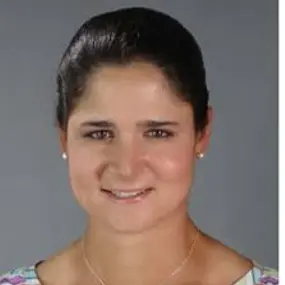
Lorena Ochoa Reyes burst on the women’s professional golfing scene in 2002 after enjoying an outstanding junior golfing career with five Junior World Championship titles and an impressive collegiate career, being named NCAA Player of the Year in 2001 and 2002.
In her first full season on the LPGA Tour she had eight top-10 finishes and finished ninth on the Tour’s money list. She was named Rookie of the Year. Ochoa would go on to win 27 victories on the LPGA Tour, including two Major Championships (Women’s British Open 2007 and the ANA Inspiration in 2008).
Though Ochoa Reyes’ career lasted only seven years, she dominated the women’s tour and was ranked World Number One in the Official World Rankings for 158 consecutive weeks (2007-2010). In a three-year stretch (2006-2008), she won 21 tournaments, including the two Majors and in 2008, she dominated with wins by as many as 11 strokes on more than one occasion.
Ochoa Reyes always knew what she wanted to accomplish and quit the tour on her terms. She retired at the very top of the women’s game. She said that she always felt that she was competing against herself, and not anybody else.
Lorena Ochoa Reyes is the first Mexican-born golfer to find her richly deserved place among the greats of the game in the World Golf Hall of Fame.