Craig Stadler - Part 1 (The Early Years)

 Apple Podcasts
 Spotify
 iHeartRadio
 PocketCasts
 Overcast
 Amazon Music
 RSS Feed
 Masters Champion Craig Stadler recounts his formative years growing up in Southern California and learning the game at La Jolla Country Club. His game developed quickly at USC during which time he won the U.S. Amateur at Inverness in 1973. He fondly recalls his 1975 Walker Cup experience at the Old Course where teammate Jerry Pate created the moniker that would stick forever, "Walrus". Craig recalls the work he put in to develop his left-to-right ball flight and the anxiousness of his first Masters, at age 20, paired with Jack Nicklaus in the opening round. Craig Stadler tells the story of his early days as a developing golfer, "FORE the Good of the Game."
Give Bruce & Mike some feedback via Text.
Follow our show and/or leave a review/rating on:
Our Website https://www.forethegoodofthegame.com/reviews/new/
Apple Podcasts https://podcasts.apple.com/us/podcast/fore-the-good-of-the-game/id1562581853
Spotify Podcasts https://open.spotify.com/show/0XSuVGjwQg6bm78COkIhZO?si=b4c9d47ea8b24b2d
About
"FORE the Good of the Game” is a golf podcast featuring interviews with World Golf Hall of Fame members, winners of major championships and other people of influence in and around the game of golf. Highlighting the positive aspects of the game, we aim to create and provide an engaging and timeless repository of content that listeners can enjoy now and forever. Co-hosted by PGA Tour star Bruce Devlin, our podcast focuses on telling their life stories, in their voices. Join Bruce and Mike Gonzalez “FORE the Good of the Game.”
Thanks so much for listening!
Dynamite I was made to Dynamite or it's starting to be a good one.
Mike GonzalezWelcome to another edition of FORE the Good of the Game and Bruce Devlin. I'm anxious to hear how this guest this morning got his nickname.
Bruce DevlinWell, I know who I know who says that he thinks he gave uh this particular guy his nickname, but this gentleman we have with us this morning, 30 professional golf wins, leading money winner in uh 1982, and the Masters champion. And boy, what a pleasure to have Craig Stadler with us this morning. Thanks for joining us, Craig. Ah, it's good to be here. Thanks for having me on.
Mike GonzalezCraig, wonderful to have you. And uh, and to that nickname story, Jerry Pate, of course, when we talked to him, claimed to have given you that moniker. Uh, you can tell us the true story.
Craig StadlerYou know, I I I can't tell you how hard it is to give him kudos. It's just really, really difficult to do. But uh, you know, as as as much as it hurts, that that is correct. Uh we were playing the playing a practice round in the 75 Walker Cup over at St. Andrews on probably Tuesday, and and it was just as it can do over there, just downpour all day, the whole round. And we got done and went in the little clubhouse there, which you know, Bruce, it's just tiny. Yeah. But uh the whole team was in there, we're in the last group, and I I just, you know, back in those days I never wore rain suit or anything, and I came walking in there just soaking wet. And uh Jerry Payne, who is is very, very animatedly referred to as the mouth of the south, as we all know. And a couple other nicknames too, which I won't for one of those. But uh anyway, he was sitting there and he just got that little southern grin on him. He's like, damn, Stad, you just look like a wet wolf. And then it's stuck. Somehow it stuck. So there you go. Yeah, okay.
Mike GonzalezYeah, well, you know, with Jerry, I mean, you you're just not quite sure sometimes when you hear these stories, and uh, I'm glad to hear that's a true one.
Craig StadlerYeah, he probably takes credit for a lot of them that might be a little embellished.
Bruce DevlinWell, we all know JP, don't we?
Craig StadlerYeah, that would be correct.
Mike GonzalezUh well, we're looking forward to uh Craig, as we talked earlier about about telling your story, and uh, of course, we'll get to that famous win at Masters in 1982, but we always like to start at the beginning. So uh uh we know you grew up in San Diego, Southern California. Tell us a little bit about growing up as a kid in uh in Southern California.
Craig StadlerYeah, I uh I was born and raised in San Diego, grew up in La Jolla just on the on the kind of cut line between La Jolla and Pacific Beach. But um, you know, my my dad uh made probably one of the greatest moves of his career and of his life and and joined La Jolla Country Club with his family membership when the year I was born, actually. And uh, which, you know, uh Bruce, I'm sure you've played there. Played there many times, yeah. Yeah, and it it's just you know, it's it's not a long golf course, it's it's a tight golf course, but not really, but it's got a lot of uh a lot of undulation to it, a lot of side heel lies, and for a kid growing up on a golf course, it was wonderful. Yeah. And uh, you know, Paul Renyan was the ad pro there, and I had I had tried to take lessons from him when I was like nine or ten, but he was just way too technical for me. I couldn't understand anything he was saying. So uh I I kind of forewent that later on. I started taking lessons from um uh when Jack Bell moved there from the cream bar, or actually from uh wherever it is in in Chicago. Uh but he brought John Holbert with him as assistant pro, and I so I worked with him quite a bit. But uh anyway, backtracking, yeah. I uh you know I I started going out with my dad to the golf course when I was probably four-ish and just messing around and and wandering around with him when he played and wandering through the bushes looking for balls, and which I did religiously when I was a kid. But uh, you know, as you said, growing up in San Diego, the the coolest part of that, if you're into golf as a kid, which I was, uh obviously you can play year-round for one. And then number two, San Diego had, without a doubt, the by far the best junior program in the world. Yeah. A lot of great players come up through it. I mean, you could be played tournaments year-round, and you know, we played nine holes here and nine holes there, all little par three courses before, and uh ten and under a lot, but uh, you know, I just uh played all those. My mom hauled me around every weekend somewhere, and and just actually absolutely fell in love with the game at an early early, early age. Uh won my first tournament, I think, at like seven and a half. Uh which was you were supposed to be eight to play in the ten and under. It was only eight to ten, but the uh Lou Smith who Lou Smith and John Brown used to run the program way back when, and and Lou was good friends with my mom, and she just kind of fudged a little bit on my birthday, I think, and let me in at like seven and a half. So then I won one out at out at a little place called Sun Valley and a little ninehole par three, but uh and she was kind of a guy, she didn't know what to do. Like, you can't find out you're not eight. But yeah, so you know, I I played junior golf forever. Uh once I got in in uh high school, well, played little league, then I played uh high school baseball for a year, I played high school football for two years, but it was always kind of golf that I like going back to. And uh, you know, I I said I played high school golf at La Hoya High for three years, uh then I uh went to SC with Stan Lewitt out there, and I played four years at SC, which was the best best thing I ever did. I'm sure and you know I won the amateur my sub my just after my sophomore year, and it was it was kind of a a tops-up question I have the next two years, you know. Like I would open up the paper, and nowadays it's it's even it's even a funnier story. But my junior year, I'd open up the paper every Monday and see where this guy just made sixteen thousand dollars winning a tour event. And I'm like, God, what am I doing here? What am I doing in college? I can go out and you know, I can finish fifth and make like three thousand bucks. That's awesome. But uh hung in there and played all four years and just thoroughly loved, had just a blast in college. I just loved it. And uh then, you know, once caught once I was done with college, I I played the mini tours for a little bit. So, you know, it wasn't really I wasn't really focused on any goals of really getting on the PJ tour. I I've never been a real goal-oriented person. Uh I've just kind of things appear as they show up, so to speak. But uh, you know, this whole progression from seven and a half, eight years old till twenty-three was, and the way I describe it's just basically I just kept climbing the rungs of the ladder. Yeah. And eventually I got to the top one and there was nowhere else to go, so I went to tour school. But uh, you know, that that's a quick blast from seven to twenty-two, but you know, high school golf was wonderful, and uh especially in San Diego, because we could play every day of the year, which made a huge difference in my game, just by the fact you can you know practice every day. Uh but uh you know, high school golf was great, college golf was interesting, nothing like it is now. Uh we never we didn't have a fall schedule, we started playing in February, qualify for the team, so we had a real short season, plus you know, you're you're right in the middle of everything right at the end of finals, end of May, first of June. But uh the only dad, the only thing I didn't care for is we didn't play in a whole lot of tournaments. We played matches with other clubs, with other uh Cal State LA and Cal State Fullerton and you know wherever else, Riverside and Northridge and UCLA and whatever. You went out in the afternoon and played a nine-hole match, which was still a competition. It was good. But I was just I was just hungry to play in tournaments. And all the most all the tournaments we had were one day until you got the NC2As. But uh went to the NC2As four years in a row. Twice we went as a team, twice I went as an individual. And uh actually never played worth a damn in any of them. For some reason, I loved it, but you know, we we played out in Carl Noakes and Poway, we played in uh Scarlet, Ohio State, uh Fort Myers down there somewhere, I don't remember where, and then at uh Oklahoma. And just never really had much success in those. But uh, you know, in the middle of my college career, I was I was winning some college events, some of the one-day tournaments. Uh, you know, three or four of them a year, something like that, maybe for three for three of the four years, probably. But uh you know that that kind of all changed. The the star just before my junior year when I went back to the U.S. Amateur. I qualified in a place called Cross Creek down south of Chicago. And I can't even begin to remember why I tell you, I told you I went there to qualify. There was no reason for. I lived in San Diego or LA. But somehow I got stuck there in the qualifying and and made it through there, and then uh obviously the amateur that year in 73 was in Inverness. And uh one thing that I will I will never forget, which in hindsight, when you look back, probably was one of the more important things that shaped my career. Uh so I was only 20 years old. And uh just 20. And Jack Bell was at uh the head pro Lahoya, and I was leaving on Friday or Saturday to fly back to Toledo. And he called me like Wednesday morning, and he says, When are you leaving? I said, I'm leaving say Saturday, 1 p.m. He said, Why don't you come up to the club for breakfast? Saturday morning, I'll meet you at 8 o'clock. I said, Alright, that's cool. So I walked in there and he was sitting at the table. And I don't know if you know Jack, knew Jack Bell or not, but pretty pretty harsh character. I met him, yeah. Pretty gruff and and spoke whatever he wanted to say he said. Didn't there were there were no barricades there at all. Uh but anyway, I sat down and he says, So you hungry? I said, No, not really. He says, Good. You're not gonna eat, we're just gonna talk. Okay. And uh I'm sitting there and he says, So are you ready for this trip? I said, Yeah, I think I'm, you know, seem to be playing okay. But you know, two years, three years earlier, I had I had changed my complete grip. I have this Ed Fiori grip, you know, hitting these big roundhouse hooks. And uh he talked me into learning to fade the ball. And, you know, I'd stood out in the range for days on end, eight, ten, twelve days, and just hitting 300 balls a day at La Jolla Country Club, and 80% of them with a with a eight-iron, six-iron, four iron, eighty percent of them end up in the 10th fairway, just hostling every single one of them. I mean, I guarantee you, Bruce, I I stood there for week on end and and probably hit a thousand cold shanks. Oh my because it just it was so different having your grip up top and all that. I just like and after about ten days, it just kind of, you know, they're I'm aiming here and they're going here. And then they're starting to go here, then they're starting to go here, and then I'm getting back, and now it's kind of now I'm starting to hit kind of a power fade. And it took it took six months before I really had any clue what I was doing. And off the T I'd hit these big old gigant or slices with the driver. So if the trees on the left side, I had issues. Number four of every error was hard for me. Those trees are 20 yards left of the green, but you know, I had to start over there when you're some of those days in the wind you're hitting driver there. Yeah, but anyway, so uh I said, yeah, I think I've got you know decent control of the driver. I I and the irons I'm I'm really happy with. And uh, you know, I I have discovered that golf is a lot more forgiving when you hit it left to right than when you hit it right to left in a lot of ways. But anyway, so he says, Alright, that's good. He said, So I'm just gonna give you one piece of advice. He said, You're going back there. You're gonna probably hopefully you'll spend a week there. And you're gonna be playing some guys you don't know, or you can probably be playing some guys you do know. He says, But have you ever played Matchplay before? I said, Nope, never have. He's like, Well I'll tell you one thing. When you get out there on the first team, no matter who you're playing, if you're playing a friend, a good friend, somebody you don't know, your only goal in life is to kick his ass. Once you get done, once you beat this guy five and four, you can be friends and have a have a beer or whatever afterwards, that's fine. But on the golf course, all your only goal is to beat him as bad as you can. And don't stop any short of that. Like, okay. Who was it? You remember? I I don't even remember, to be honest with you. But uh but you did know him. But I did know him, and uh I got out there, I said, alright, you know, hey, see you about good luck today, and that was it. And uh, you know, I just I I ran the field and and uh the final was just I played uh David Strawn from Charlotte, really nice guy. And I'm hitting these 50 yard slices, you know, first heat Inverness. I'm starting down the middle of the 10th fairway and bringing it 40 yards back into the first fairway. And uh missing greens and driving all over the place, and he's just fairway green, fairway green all day long. The first round, and I had 23 putts the first day, the first round, at Inverse, which is really hard to do on that golf course. I mean anything anything inside of 20 feet went in. And I'm hitting it all over the lot, and at the end of the morning round, he was seven down, and he was absolutely devastated because he outplayed me so much from Tita Green. And he just he's you know, he's hitting it 12, 15 feet and making it, and I'm hitting it, slopping in the bunker, coming out 25 feet, making it for par. Then he three-putt, you know, or whatever, and just he was just devastated. I ended up beating him, I think, five and three or something. Six and five. But uh that was that just kind of kick-started me. But I will I will never ever forget that that breakfast with Jack Bell. I mean, that's something that's stuck with me my whole career, probably, probably honestly as well. One of the reasons I was such a piss head when I was young. As well. I was. I was our own worst enemy for five years.
Mike GonzalezBruce, we had a guest recently. I want to say it was Larry Mise uh who mentioned having a temper at an early age, and that's one guy I would have never put temper and Larry Mise in the same sentence.
Bruce DevlinAh, yeah, but I I think if you look if you really look deep at all of the players, we all we all at one point in time uh sort of showed our temper. Some of us showed it all their life, others uh knew how to control it.
Mike GonzalezYou come off of that USM victory at Yimbris 1973, six and five over David Strawn, so pretty uh decisive win, despite uh you saying maybe he outplayed you for a while from T Green. But uh you you came out of that experience and and w where what was your mindset then?
Craig StadlerI kind of thought I was actually halfway of a pretty decent player after that. But I knew that the that I couldn't survive on the game I had because I had to do something with a driver. But I mean I was still in learning mode. I'd only I'd changed my whole game around three years prior and had played you know some college golf with it, but it still took a long time to get to the get to the fact to the point where I could just have you know 100% confidence in moving the ball left to right. And and Bruce, as you know, that's all I've done my whole career since then. I I I could draw the ball fairly easily, not off the T, but yeah, uh with the irons I could draw the ball very easily, but I had no idea if it was gonna curve 20 feet or 20 yards. So that shot was was used only when I absolutely had to. You know, whipping it around a tree when you drove it over in the rough or something. But I mean I was I was 100% left to right. Pretty much Litsky and I were the same game. He hit it way higher than I did, but I just never turned it over anymore. And that's all I did as a kid. So yeah. And I, you know, when he started trying to equip me with this, like, man, I'm gonna lose yardage, it's not gonna roll out as much, I'm gonna get shorter. But uh it's it was so much friendlier when I missed the green. You know, I'm I'm watching guys like Fuzzy when I first got out there, and he's hitting the six iron, he pulls it left the green, and that first bounce is 20 yards. And I did this thing, I I little wounded duck to the right, the first bounce is a foot and a half. So uh, you know, but but the other thing I I loved about it, because once I got at 100% confidence in it, uh my mindset was that you know I have now taken away every bit of trouble on the left side of the golf course, wherever I'm playing. And, you know, I just I convinced myself that you know you do this, you do this consistently enough and every day, all day. And if you eliminate 50% of the of the bad stuff that can happen in a golf course, then you know you're you're that's a win-win situation.
Bruce DevlinSo a couple of years after the uh after winning the amateur, you won the uh Southwestern Amateur, and then you got on the Walker Cup that year in 1975. That had to be uh you had some pretty good teammates too. Curtis Strange, Kate, Coke, Hass, Jim.
Craig StadlerWow, what a group of guys. Yeah, it was good. It was really good. Uh Bill Campbell was a coach. But uh that was that was an interesting interesting event as well. And uh he probably will mind that I'll tell this story, but I'm gonna tell it anyway. Uh I'm uh guessing he might not see this, but anyway, the the first day um George Burns and I both were left off in the morning round. And then uh we both played the afternoon, not together. And then the next morning he and I were off an alternate shot. And uh in day two. So first group out. I think first group out was 10 o'clock. I'm over there practicing, warming up, and and it's like quarter to ten and nobody's seen him. And so Campbell and I got in the cart and hauled over to the old course hotel, probably 20 minutes before he teed off. Went up pounding on his door and finally opens the door. I said, What the hell are you doing? Dude, we're off in like 12 minutes. He says, I'm not playing. He was so pissed that they left him off the first morning that he didn't want to get, he was not gonna play. I said, Well, I don't know if you've you've ever done this format or not, but but it's really hard to play alder and shot with one person.
Bruce DevlinYeah.
Craig StadlerSo you better get up. Get your butt out of bed, get in the cart, come on, and we'll go. He's like, No, I'm not going. And I just BS, you're not going. Now, let's go, come on. I can't do this by myself. And you want to wait an hour and I'll be five down after five, that's fine. But so he's like and got in the cart and didn't hit a golf ball, hit a couple putts, and off we went. And you probably have it there. We played Martin, I think Martin Poxon and somebody, but uh anyway. I think we we won like seven and five or something. I mean, he just obnoxiously destroyed him. There's this guy like moping and you know, little kid. I'm gonna stay in my room and whatever. Like, get out of here. So that was an interesting start to the event. But it was a it was a great time. I I loved it. Um this wonderful week. Next. week we played the British amateur Hoy Lake in the most horrendous weather I've ever seen. But actually the second round he's he's he was a golf writer from England, David McIntosh, and then he moved to Argentina and met him down there when I used to go play the Argentine Open again. But I played him in the I had a first round bye because we were in the Walker Cup. And I played him in the second round and the weather was just so bad. And uh at the end of the day, I don't know if you've been to Hoy Lake, you probably have but after six I beat him three and two. I was 16 over.
Bruce DevlinOh my goodness. And you beat him three and two. Wow.
Craig StadlerYeah. I mean the uh one out two back the third hole I think so far five and neither of a penalty straight into the wind and the sleet and the rain and neither of us had the penalty shot and I won the hole with eight.
Mike GonzalezOh my goodness.
Craig StadlerCrazy it was it was ridiculous. And then I got beat the next round but uh just little things you never forget. I don't care if I ever go back to that place. It was miserable. But it was a great trip. I mean you know we didn't I say we we never our in college we went and played the ASU tournament and we played up at Paschiempo. And other than the Pac 8s or the uh NC2A that's the farthest trips we had every year in four years. So we never traveled much so to go over there and play for two weeks was was just an incredible experience one I will never ever forget. But um a lot of things came out of that you know getting match play and getting a nickname and you know whatever else what have you so w what what did you think of the the old course your first experience over there? Yeah it's the first time I'd ever played a Lynx course even seen a Lynx course other than Couble uh which really isn't it's not that well it is it's a Lynx course but nothing like theirs. But uh I loved it. I really embraced it I I love playing in the Open Championship every year. Uh played good three or four times never never quite got it done but um I love playing over there. I absolutely fell in love with Lynx and and having to bump the ball and bump and run it and work it and you know change back in the late 70s, early eighties when you could change balls.
Mike GonzalezYeah.
Craig StadlerYou know uh I remember playing uh remember playing Mearfield and uh number nine at Mearfield that par five go back to the clubhouse straight into the wind every day and you'd pull out the little small ball the little a cushion of small ball or whichever one you had a spalting dot or something and uh or a pinnacle even and into the wind with that and you know you could change balls and it was pretty interesting because it was a way different flight with a small ball as you know.
Bruce DevlinAbsolutely so that Walker Cup trip in nineteen um seventy five was that your first overseas trip Craig yep absolutely so you you share that in common with Bruce Devlin he made his first overseas trip from uh Australia to the same venue I yeah I sure did it was a little bit earlier than yours though uh little earlier a little earlier than yours yeah a little longer how long did it take on that boat it's uh yeah you know it was like a boat I I don't know if you I don't know if you've ever seen one but have you ever seen a super constellation plane the one with the one with the four engines well I left Australia it took me 52 hours to get to Edinburgh.
Mike GonzalezWow so we went to we went to uh went the other way right no no we come through we came through uh the United States uh via high uh by uh by a uh many stops somewhere no and then we went from there to uh uh I don't know somewhere up north and then across to London and then to Edinburgh I mean what a mess but uh that was my first two yeah fifty two hours okay just wanted to get back and do it again the next week didn't you yeah sure I did uh beautiful thing I had a well fortunately for me had a same same sort of end result uh when I first went to there we we went for the inaugural Arsenal Cup matches and and I won the individual and uh and Australia beat the Americans uh in a playoff for the for the championship so that was a lot of fun perfect yeah well let's let's move on to your decision to turn professional Craig why don't you kind of take us through that thought process how had your game developed and and what was it that sort of finally in your mind said I think I can do this for a living well since I well when I won the amateur that got me uh in 73 that got me in the masters in 74 and 75 the winner got two years back then and uh so I was playing I was still playing college golf and Mark File who was on our team uh was in from the Walker Cup and uh we both flew back there on Saturday and stayed in the crow's nest and and uh you know 18 this day twenty seven the next day twenty seven the next day by Thursday I was worn out but came along to uh Tuesday afternoon and we played played that morning and walked back in the clubhouse and the pairings had just come out so I'm like oh that's cool what do we got and I'm looking down and looking down and looking down and I finally get to I think it was 2.45 in the afternoon probably you know they uh you know twosome with some guy named Jack Nicholas and I just looked at that I went oh my god so you know Wednesday did the par three and played nine holes and then Thursday it's 2 45 and you know I was in crossing this I got up at eight o'clock and had breakfast took a shower went out and putted you know the whole routine uh then wandered over to the range about 10.
Craig StadlerI don't even think the first group teed off yet because there were only you know only 60 players in the field then you're ready to go if and uh well I was ready to go the fourth time I finally hit the range I was getting ready to go yeah I mean breakfast lunch two showers read five newspapers hit the putty green four times the range three times and finally it's it's you know I'm walking for the putty green off to the to the first tee and you know you walk in the back of the tee and the little umbrella table's there and and Jack's standing there at the table talking to whoever the starter was back then and uh and they just kind of walked on the back of the tee and I looked and I saw him over there and I said all right dude just suck it up come on and uh just as I got the table he turned around and like I was about three feet from him and I put out my hand I said Jack Craig Sadler he goes I know who we are I just I just thought to myself got that lump out of my throat and holy crap this guy knows who I am there's no way but anyway uh not to embellish the story anymore but uh as has been the history of the Masters forever um if you're a past champion unless there's two of you paired then I don't know how they do it but if there's when there's a past champion in the group he tees off first on one with every group no matter how the scores fall or anything. So he teed off first I teed off second uh we replayed that for 18 straight holes uh I did not cut him a shot not on one hope like God what are you doing out here I think I shot 79 he shot 67 and then I I'm not sure of the scores but the next day I got paired with Tommy Aaron Defending champ and shot 71 and missed cut by a shot because we only cut you know they're cutting to 44 ties and they're honestly the field was probably under 60. So you're only cutting out 15 guys or 14 guys and you know I shot uh shot 150 and missed cut by a shot and then in I went back in 75 and was paired with Arnold the first round and a little better 77 I think he shot 69 and then I on it actually got paired with Tommy Aaron again on Friday the next year and I shot 71 again and I missed a cut by a shot again. Wow oh boy so you know the uh the experience was unbelievable. I mean something you could never duplicate getting to play with Nicholas your first tour and and Palmer your second tour around that place. But uh you know then I had three years off and I I qualified in 79 from finishing eighth in the open or something and and uh actually had a good chance to win in 79 but uh then it was a lot of years after that but uh starting out that was that was uh getting thrown to the wolves early I would say and did that experience kind of uh get set in your mind that hey maybe I can do this at this level uh I think the experience told me like maybe I need to work on my game more than anything because I got just got destroyed both days by those two guys and you kind of come off the cloud with Tommy Aaron just you know wonderfully nice guy quiet uh doesn't have the thousands of people following him right and uh so and that's when they repaired every day and you know we were probably close to first off so still a lot of people out there but much quieter than it was with Jack and Arnold and and uh but no I think I I what I took away from that is you really need to work at this dude. You're not even half as good as you think you are and so who did who did you work with to kind of get that uh game in shape for professional golf I work with uh I never worked with Jack Bell but I worked with his assistant John Holbert who was uh he lived down in Palm Springs he worked with uh uh College of the Desert Kids with their golf team then he moved up when when Jack Bell came to Lahoya and took over for Renyan uh John came up as his assistant pro. I don't I I assume they knew each other but uh I worked with him for quite a bit probably five years when I was there and a little bit with Jack Bell but not much it was mostly John and then once I got on tour I I worked uh for a little while probably three four years with Frank Mori from uh was the Ed Pro over at Wilshire Country Club uh a little bit with him and then in uh just to fast forward answer this question in eighty eight I think it was or eighty seven uh I lost uh lost the hope in a five hole playoff to Lanny I think at the end of the day he ended up thirty three under and I was thirty two under for the week oh my and we played five or six holes a playoff and and uh I think he was four under and I was three but uh it got to the point on one of the playoff holes where I absolutely needed to hit a draw and I didn't know how to do it. So I I and playing with Lanny you know he's like you know good good way to go a nice try whatever and uh he says you know you need you need to go work with Dickie Harmony he'll he'll teach you how to hit a draw because you really need it. It costs you this tournament like yeah I probably did so I spent uh I went down and met him down in Houston and started working with him in eighty eight and uh and uh I worked with him until he passed away. So you know you know twenty three, twenty four years and just we were just wonderful friends. I just I love the guy to death and uh you know pretty quiet guy I'd go down and just be in total disarray and we'd go to the back of the range and and uh he'd just say just hit some balls, sit in the cart and and uh you know he says hit me like three of the hardest right to left snap hooks you can hit with a driver or anything. So you see he's just going you know and about four man probably four or five of them. He said alright now just now just hit a nice solid power fade out there and boom. And it's like it's back. You know it took me five minutes and you've you've figured out something and you found it and what was really interesting about the relationship, I love the guy to death. We were just became such such good friends. And uh every time I would go visit him, which sometimes I just went down to visit what really didn't need any help. I just at times I just need to get out of the house or whatever and so I flew down there for a couple days but uh almost to every time to the day every time I visited him three to five weeks later I would be right in the mix of the top three or four on Sunday and probably six of the times I worked with him I won a tournament like four or five weeks later. Which was just magical because he really didn't do much you know he just hit some balls for me and well it's just take a little bit of video I uh I don't want to I don't even want to see my swing. I never have I don't want to know what it looks like I know it's not pretty it's really short I'm really fat and you know short and fat works for golfers sometimes. But uh Bob Murphy probably and I are on the same page back then but uh you know he puts a video and he's like you know you're really hunched over it at the dress so straighten it up a little bit get a little straighter maybe a little closer to the ball and uh I went out this at River Oaks now and and just spent an hour hour and a half out there hitting balls with him and and it it just it never took long you know it was so easy to for him to fix just the little tweak the little things that were wrong and it was never something major at all. I mean I never had to go through any major swing changes uh in that regard I was I was very fortunate because you know I had short compact swing uh you know not I didn't take it back much farther than Dan Paul in in all reality but yeah I had uh strong enough arms and legs where I could I could still get some power and distance out of it but um yeah I was very fortunate because I never really never really had to work that part of my game after like my late teens early twenties thank you for listening to another episode of for the good of the game and please wherever you listen to your podcast on Apple and Spotify if you like what you hear please subscribe spread the word tell your friends until we teat up again for the good of the game so long everybody
Golf Professional
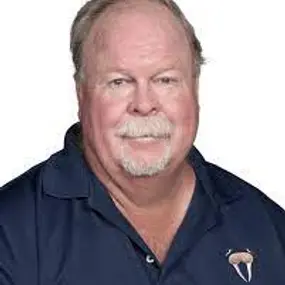
Nicknamed “The Walrus”, Craig Stadler is one of the popular personalities on tour. A La Jolla, California native, Craig resides in Evergreen, Colorado.
Stadler was born in San Diego, CA. His father started him in golf at age four, and he displayed a talent for golf early in life. He won the 1973 U.S. Amateur, while attending the University of Southern California, where he was a teammate of future PGA Tour winners Mark Pfeil and Scott Simpson. Stadler was an All-American all four years – first-team his sophomore and junior years; second-team his freshman and senior years. Stadler finished college in 1975 and turned professional in 1976.
Stadler won his first two PGA Tour events in 1980, at the Bob Hope Desert Classic and the Greater Greensboro Open. His career year was 1982 when he won four PGA Tour events including The Masters after a playoff with Dan Pohl. Stadler won the B.C. Open in 2003, becoming the first player over age 50 to win a PGA Tour event in 28 years. He won 13 PGA Tour events in all, and played on the 1983 and 1985 Ryder Cup teams. He appeared as himself, with a speaking role in the 1996 film Tin Cup.
Stadler began playing on the Champions Tour upon becoming eligible in June 2003. His greatest successes came during his first two years of eligibility; he was the leading money winner in his first full year on that tour in 2004.
Oldest son Kevin, turned professional and won the 2002 Colorado Open with Craig as the caddy. Kevin won the 2014 Waste Management Phoenix Open making them the first father and son to ever play the Mast… Read More